Introduction: The Frustrating Advice Every Athlete Hates to Hear
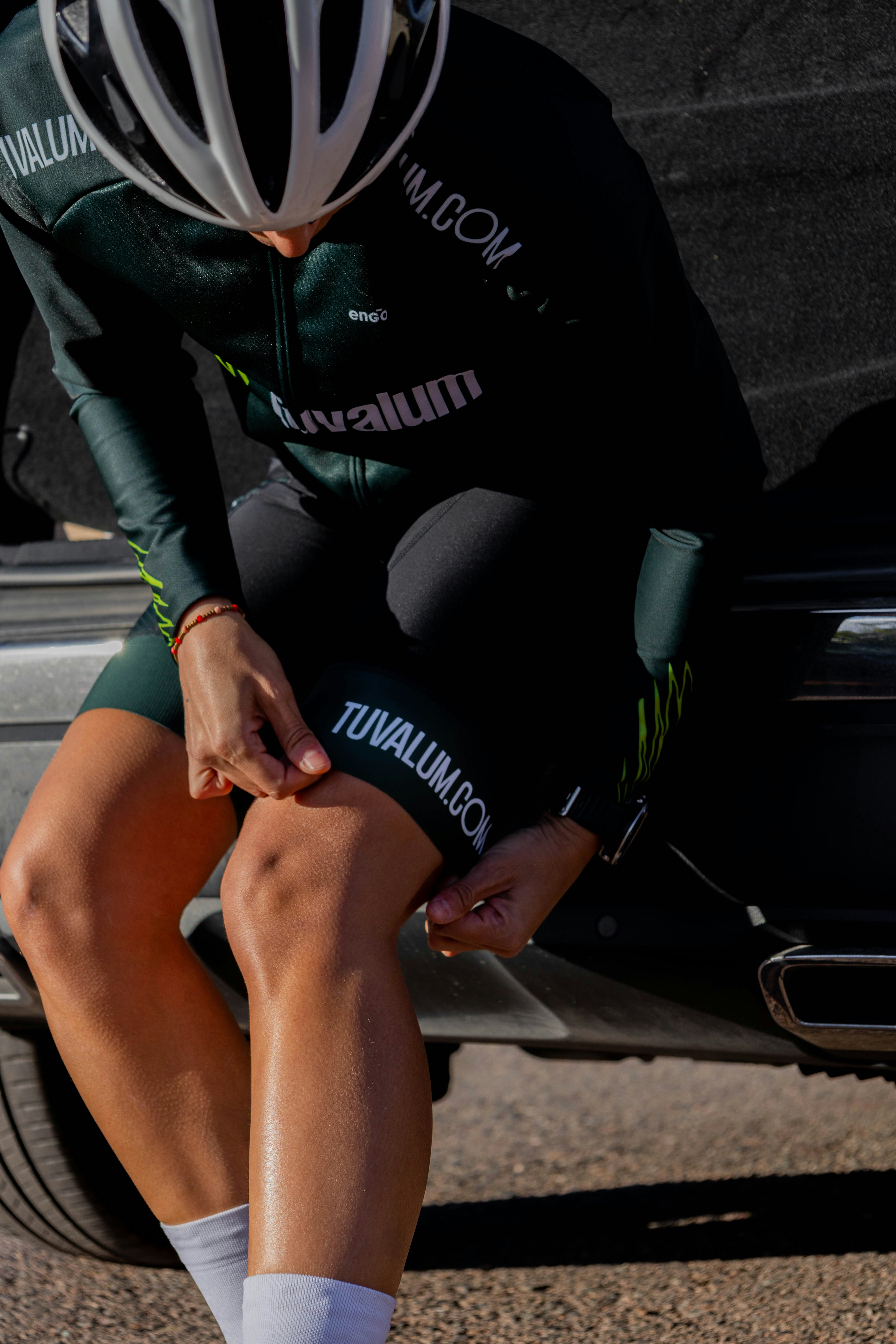
If you're an active person dealing with a sports injury, you've almost certainly heard the four most frustrating words in recovery: "You should just rest." Whether it's a persistent hamstring strain from football or a nagging shoulder from the gym, being told to simply stop is a tough pill to swallow. While rest is an essential component of healing, it's rarely the complete solution. It's a pause button, not a recovery plan. This passive approach often leaves you feeling stuck, watching your fitness decline and wondering if you'll ever get back to performing at your best.

The Problem with Passive Rest
Prolonged, complete rest can be counterproductive to your recovery. When you immobilise an injured area, the surrounding muscles begin to weaken and lose mass—a process known as atrophy. This deconditioning means that when you do eventually return to your sport, the area is less prepared to handle the load, significantly increasing your risk of re-injury. Furthermore, joints can become stiff and lose their range of motion, and your body's proprioception—its ability to sense its position in space—can be diminished. Most importantly, passive rest doesn't address the root cause of the injury. Whether it was a movement imbalance, poor technique, or underlying weakness, the original problem is still there, waiting to resurface as soon as you ramp up your activity again.
The Power of Active Recovery
This is where a modern, evidence-based approach comes in. The goal isn't total inactivity, but relative rest and active recovery. This means reducing or modifying activities that aggravate the injury while introducing specific, controlled movements and exercises that promote healing. An expert physiotherapist can guide you through this process safely. Techniques like targeted hands-on therapy can reduce pain and improve mobility, while a bespoke exercise plan works to stimulate blood flow, encourage tissue repair, and gently rebuild strength in the supporting muscles. This proactive strategy doesn't just speed up healing; it builds a more resilient foundation, making your body stronger and better prepared for the demands of your sport.

What a Personalised Physio Plan Involves
Waiting and guessing is not a strategy for a successful comeback. A personalised physiotherapy plan provides a clear, structured roadmap to get you from injury back to peak performance. At Resync Physiotherapy, our approach is built on three key pillars:
**Accurate Diagnosis:** We start with a comprehensive assessment to understand not just *what* hurts, but *why*. We identify the root cause of your injury, considering your specific sport, movement patterns, and long-term goals.
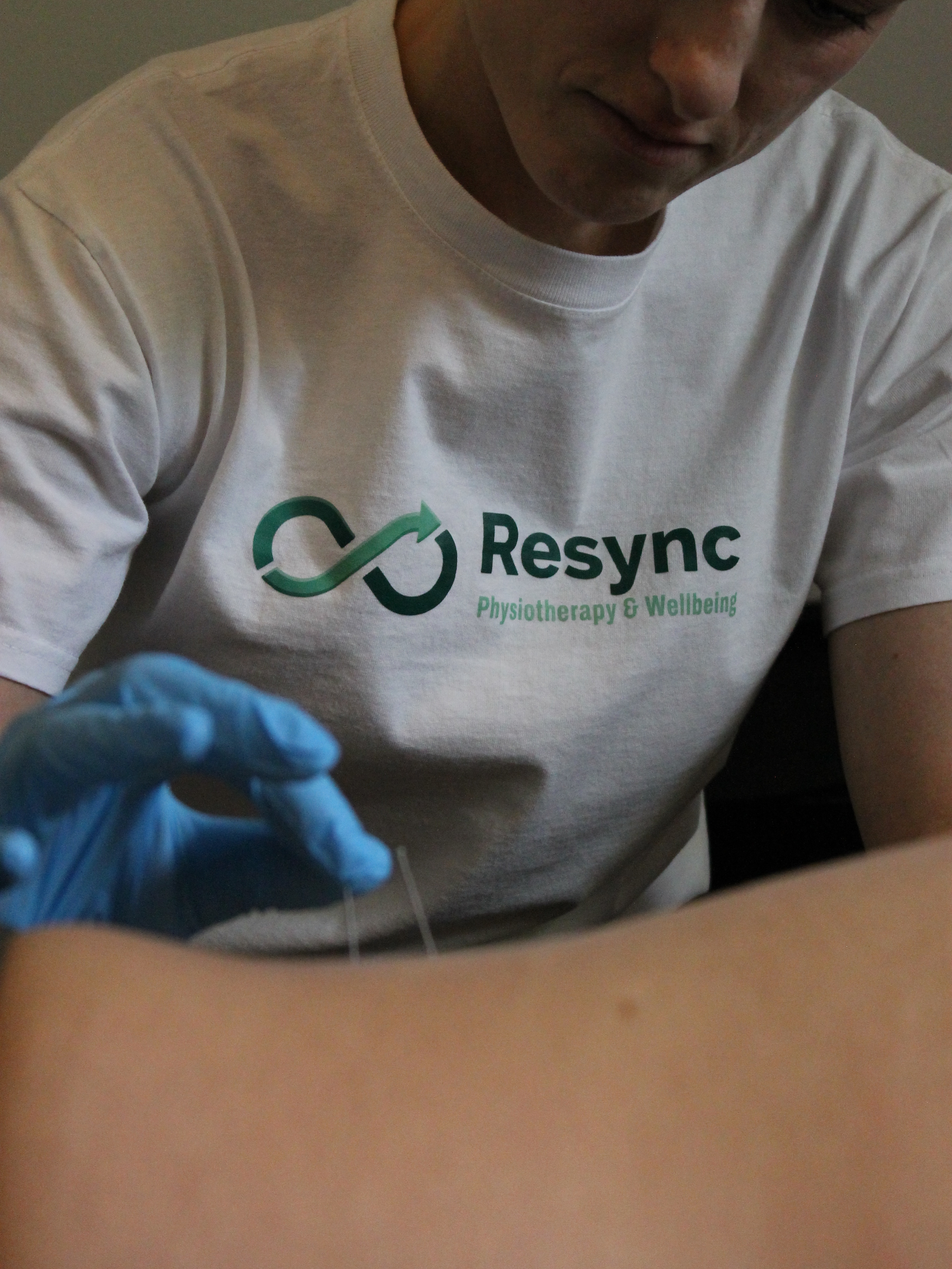
**Targeted Treatment:** We use a combination of hands-on manual therapy to alleviate pain, restore movement, and release tension. This provides immediate relief and creates a window of opportunity to begin rebuilding.
**Progressive Rehabilitation:** We design a tailored exercise programme that progresses as you heal. The focus is on rebuilding strength, improving stability, and restoring your confidence in the injured area, ensuring you can return to your activities without fear of re-injury.

Your Comeback Starts with a Plan, Not a Pause
Don't let a sports injury leave you on the sidelines indefinitely. Taking a proactive approach is the fastest and most effective way to ensure a full and lasting recovery. Instead of just waiting it out, you can actively participate in your healing, addressing the core issues and building a stronger, more resilient body. A clear, expert-guided path back to your sport will give you the confidence and physical capacity to perform at your best once again.
Stop waiting for the pain to disappear on its own. Take control of your recovery and get an effective plan to return to the sport you love. If you're in Balsall Common or Solihull, book your initial assessment with our expert team today and let's start building your comeback story.