.png)
First steps in the morning, or an ankle that's never felt right since you went over on it.
You put your foot down first thing in the morning and there it is again. That catch in the heel that has you walking like someone twice your age until it finally eases off.
Or maybe it's the ankle you went over eighteen months ago. It healed, more or less. You've just never quite trusted it since. You've stopped running on uneven ground, you think about it on the stairs, and you quietly dropped the five a side and told everyone you were busy.
Most people don't come and see us when it starts. They come when they realise they've spent a year organising their life around it.
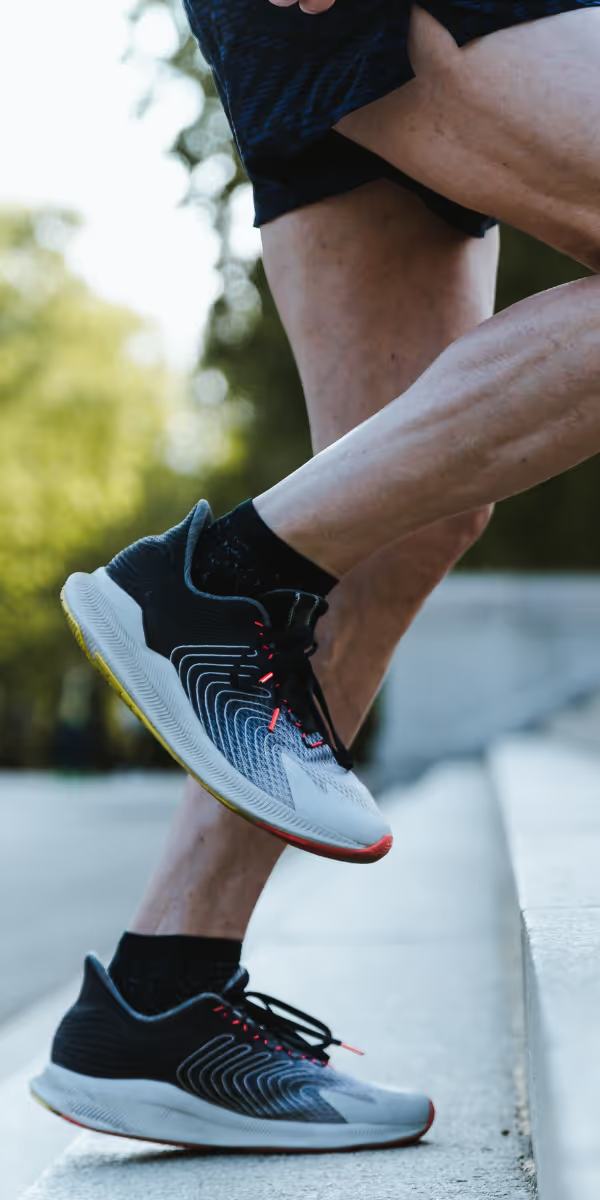
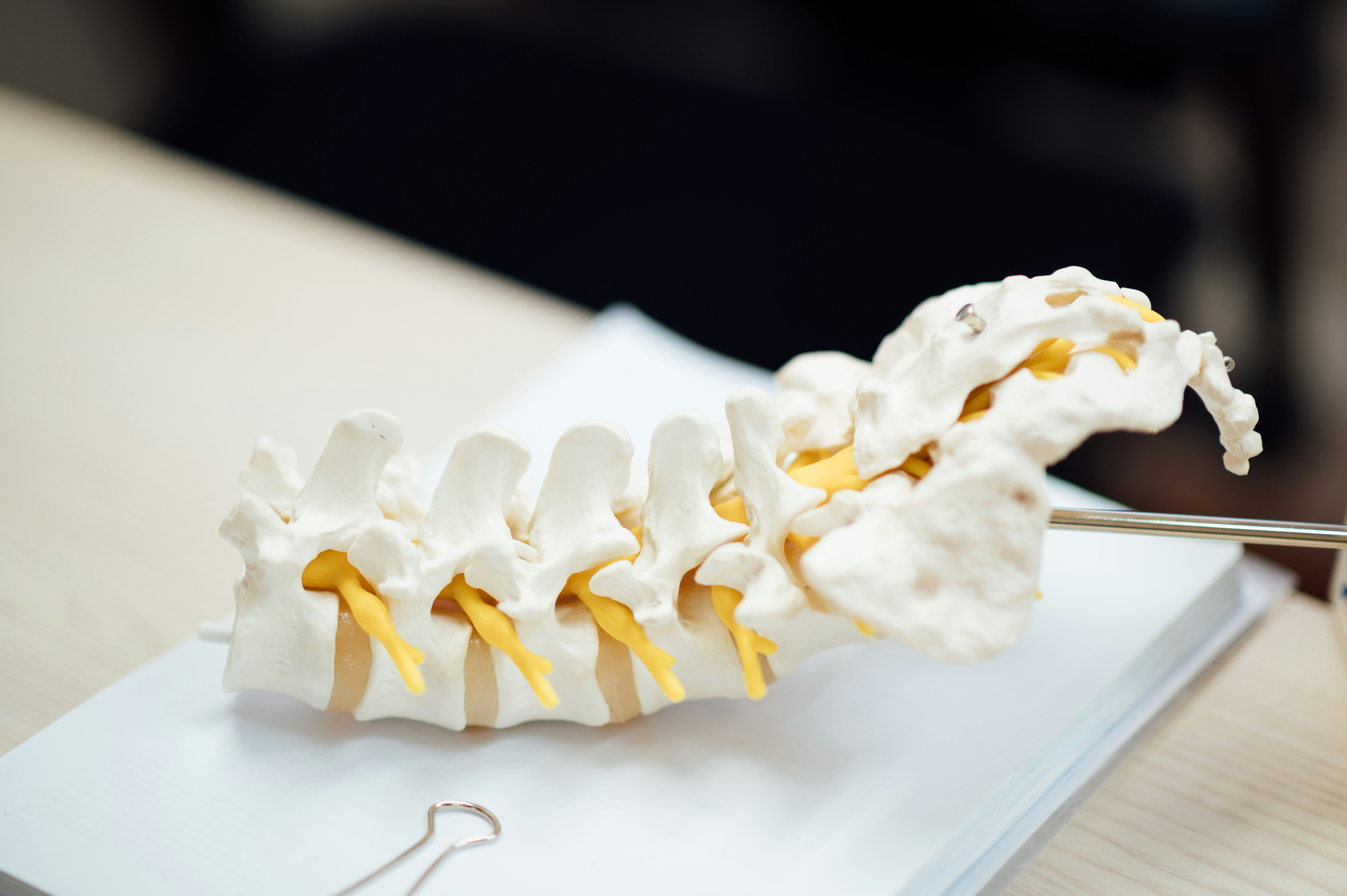
Foot and ankle pain usually comes down to one of three things. Tissue that's being asked to do more than it can currently handle. A joint that isn't moving the way it should. Or an old injury that healed up but never got properly rebuilt.
Your foot takes several times your body weight with every single step, so any gaps in strength or control higher up, at the calf or the hip, tend to show up down there. That's where all the load ends up. It's also why treating just the sore bit so often doesn't hold for long.
Working out which of the three is going on for you is really the whole job, because each one needs a completely different plan.
This is more than physio - it's a partnership. We will be with you every step of the way and this becomes a toolkit for life to look after your body, understand what it needs and how to build lasting strength for the things you love.
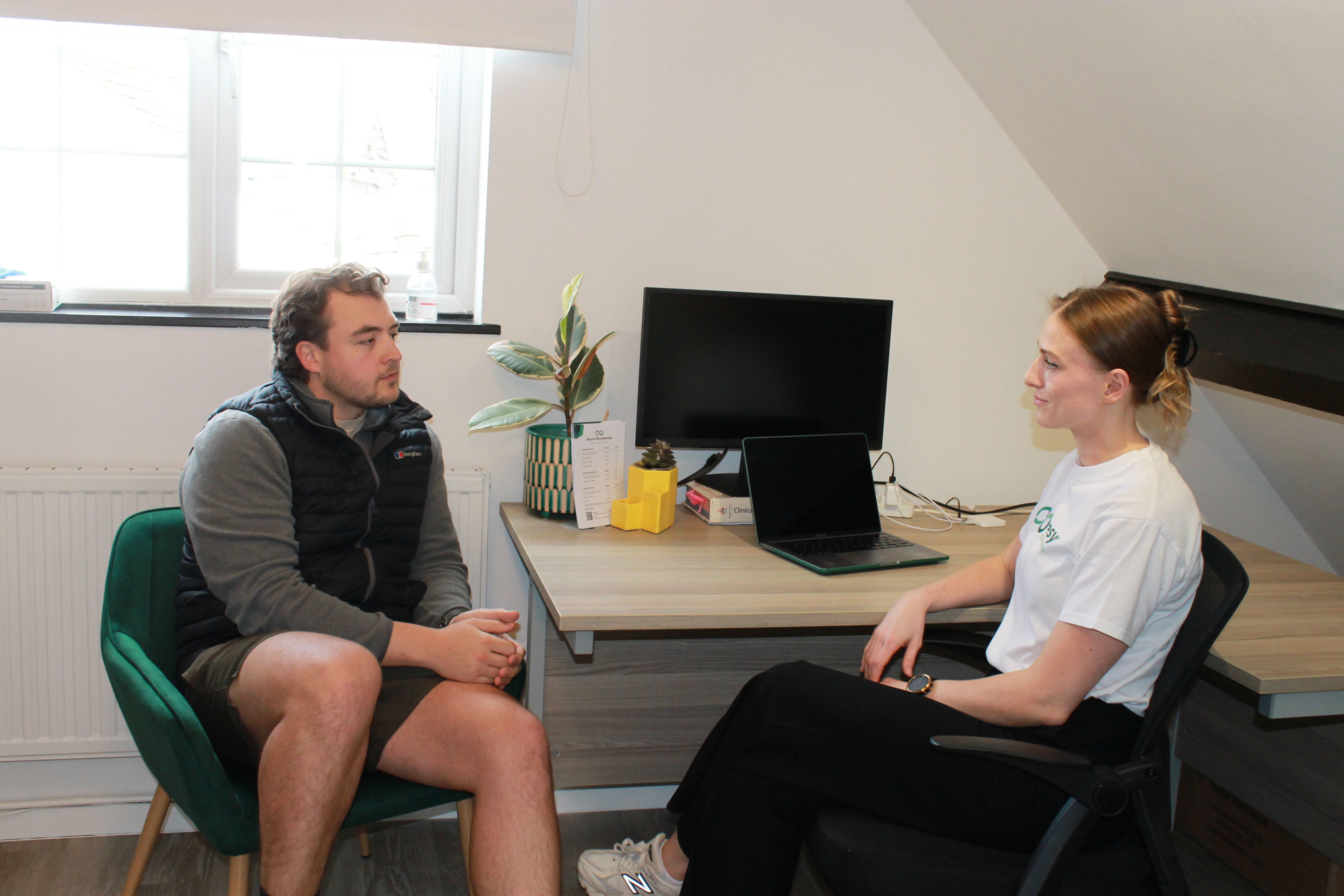
First we work out what's actually going on, and why. You'll leave the first appointment with a clear understanding of the cause — not just the symptom — and we settle things down enough to start moving properly again.
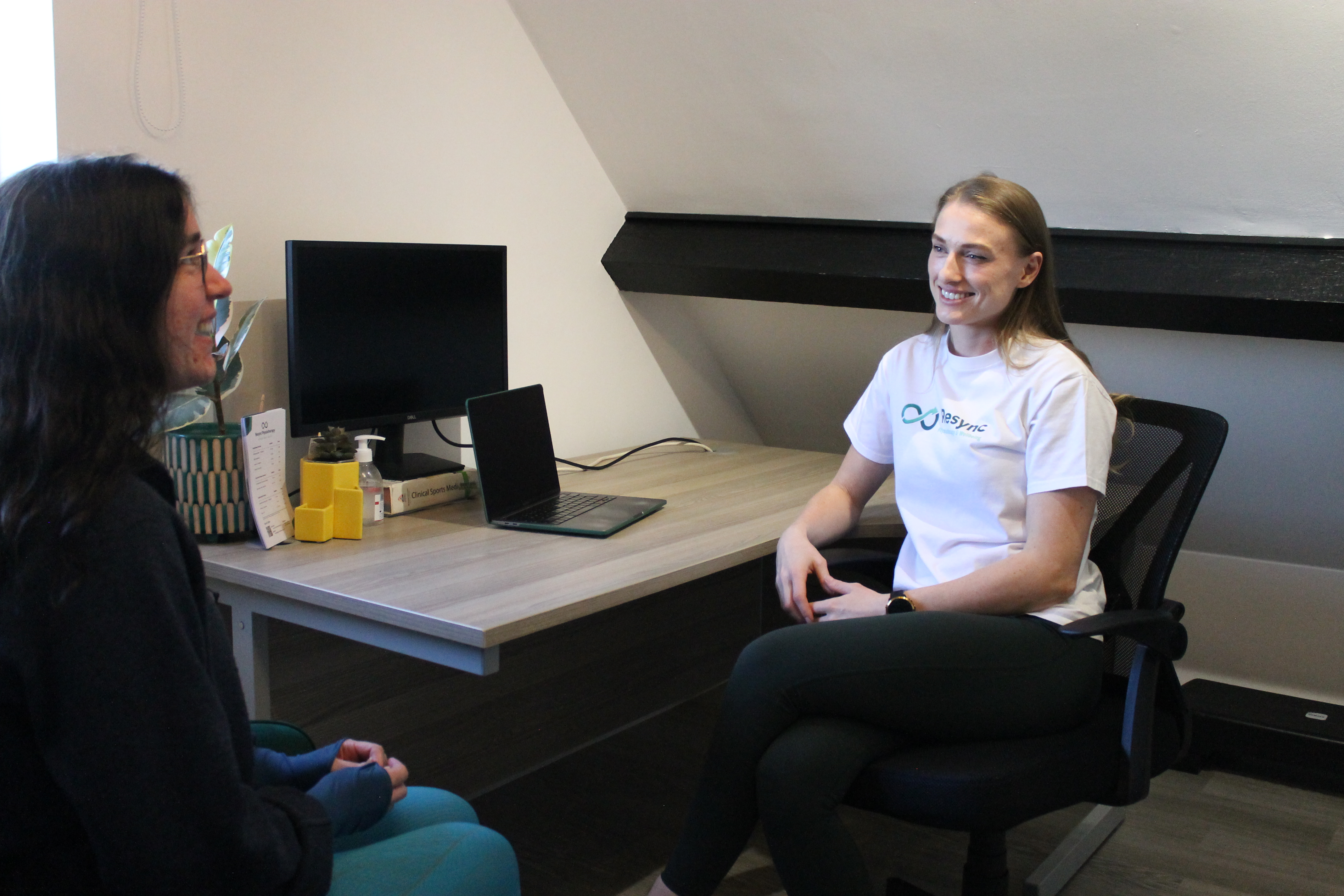
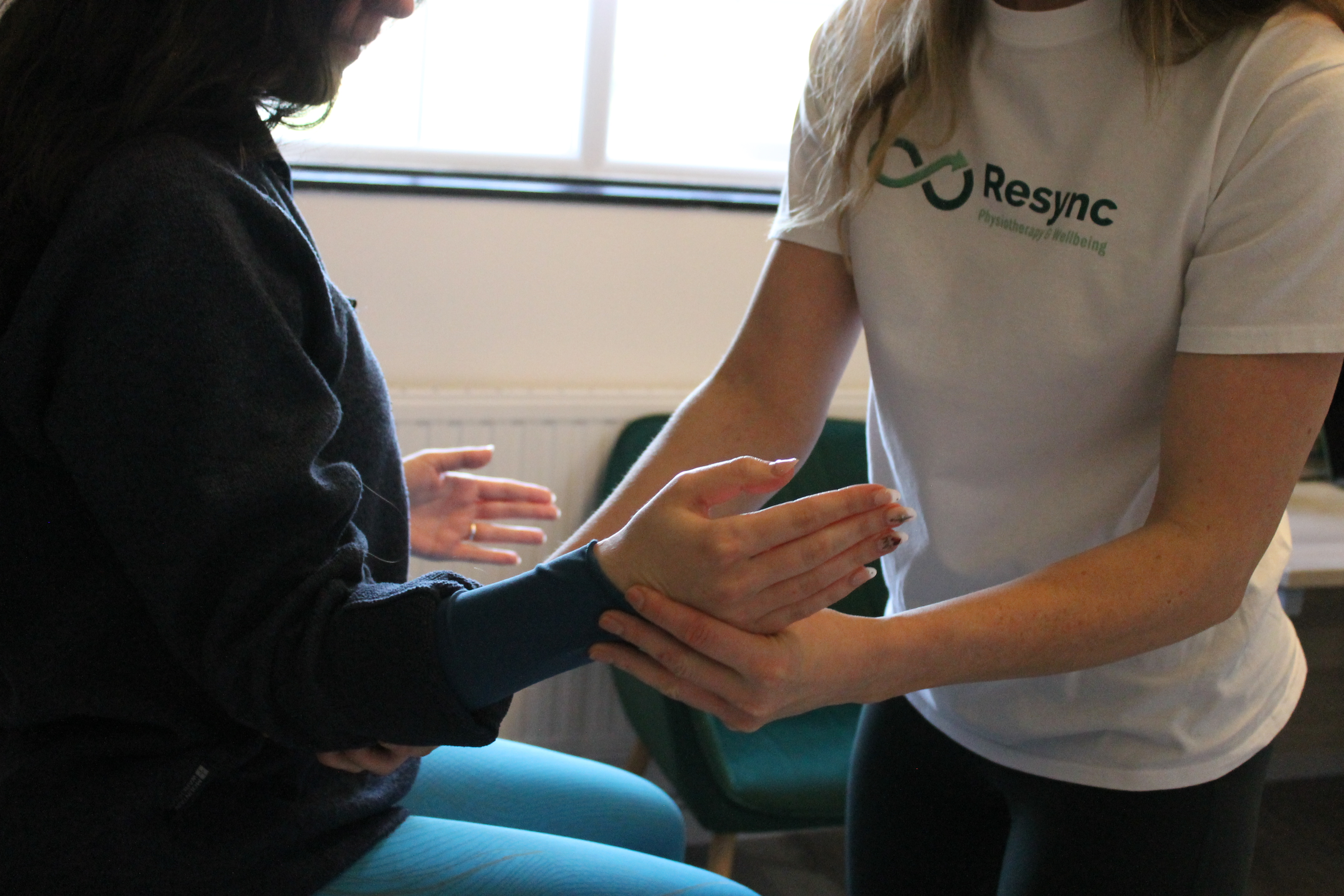
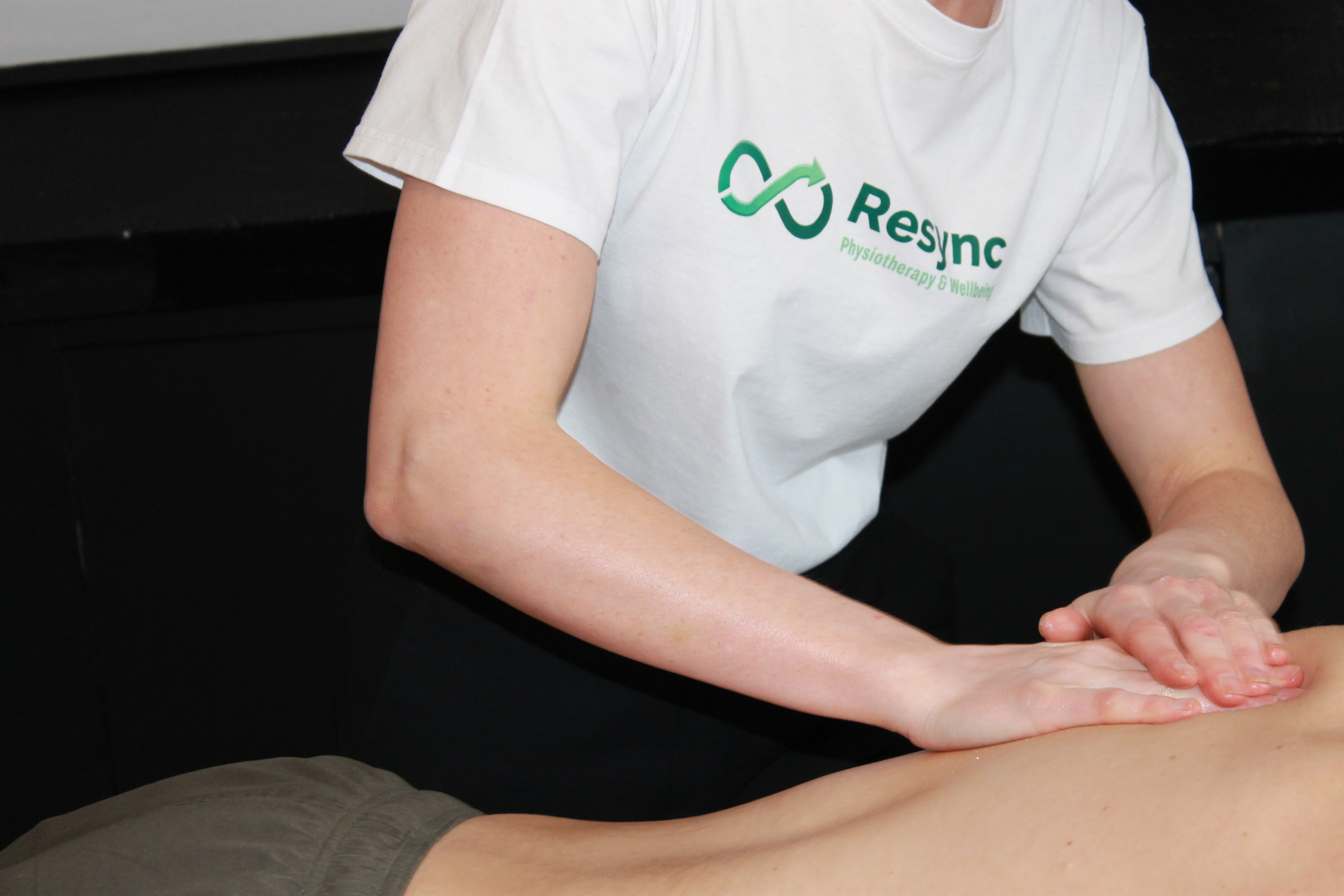
Hands-on treatment where it helps, and a programme built around you — your week, your goals, what you can actually keep up. This is where strength and capacity get built back properly, and progressed as you go.
The stage that stops it coming back. You'll understand your own body and have a way of training that's practical, simple and actually enjoyable — so you stay fit and out of pain for life, doing the things you love.
Whatever brings you in, the approach is the same — find what's driving it, treat that, then work with you to build lasting strength and resilience.