.png)
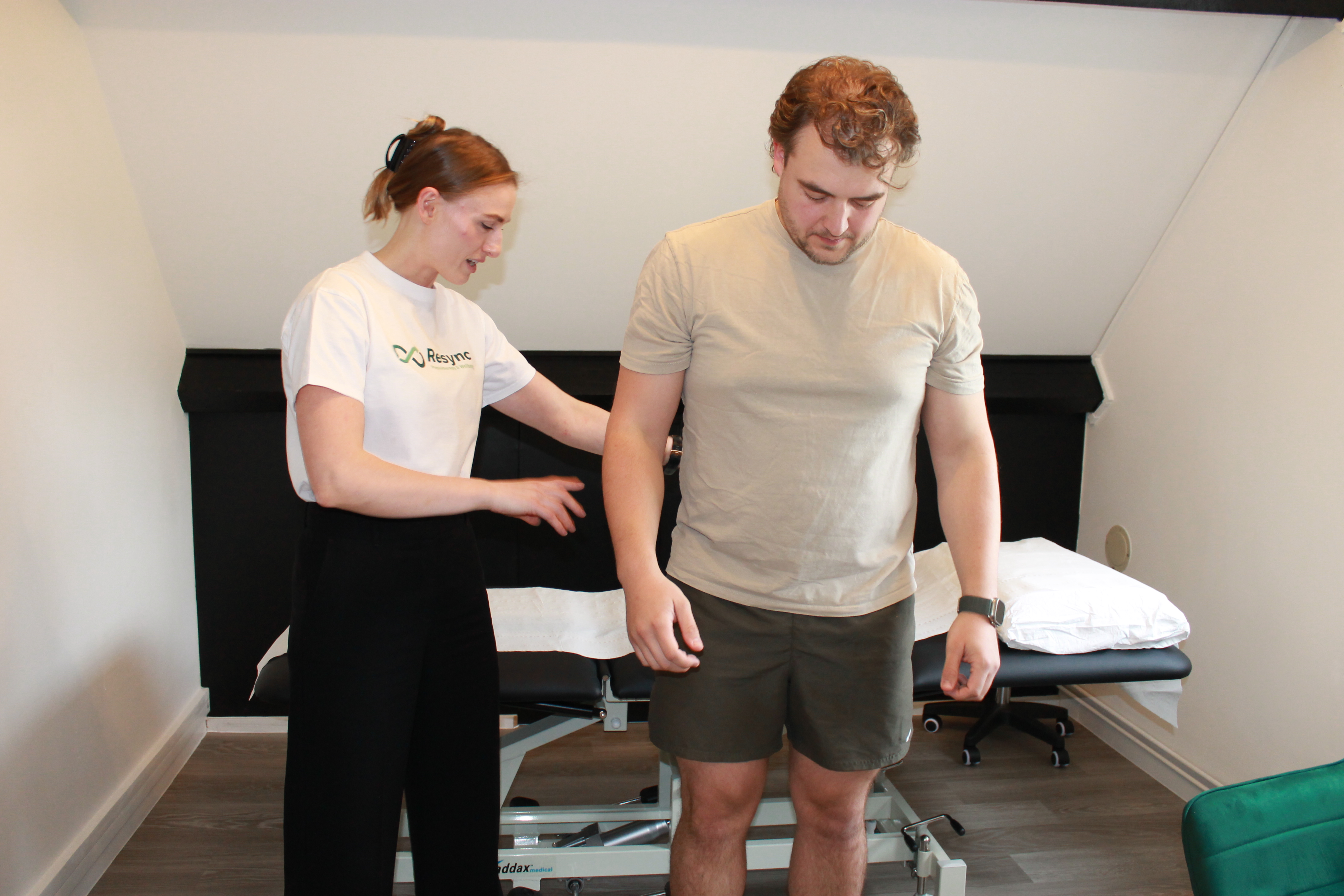
For getting out of pain and back to what you stopped doing — with someone cheering you on every step of the way.
You've rested it, done the exercises and been discharged — more than once. It settles, you build back up, and then it goes again.
That's not bad luck and it isn't your effort. It's being sent back before anyone checked whether you were ready.
On this pathway you get structured rehab, someone watching how you respond week to week, and testing before you go back to what you stopped doing.
"After struggling for months of being out of a routine, with stopping and starting, I decided to contact Abi for some help on why I was struggling and help me progress to become stronger and get back to playing netball. Abi really catered to my individual needs, assessed me and gave me a clear plan. I thoroughly enjoyed the programme and felt like it addressed all the areas that needed the support but didn't realise. The coaching kept me going, when I had wobbles that it wasn't going well, and I am so glad I had that. I now feel stronger, fitter, pain free and able to play netball and have just started training for a marathon! I honestly, didn't think I would get here, and am so grateful I made the decisiont to work with Abi".
A clear explanation of what's driving it and why it keeps coming back — so you stop guessing and start understanding your own body.
Not bands and bodyweight forever. Load goes up as you tolerate it, which is the bit most rehab never gets to.
Strength compared side to side, control under fatigue, and your sport's demands tolerated without a reaction. You'll see the numbers.
Confidence is usually the last thing to come back. Passing the tests is what gives it back — you stop bracing for the next thing to go.
A proper conversation before anything is written. Your history, your goals, what you can currently manage, and what your week actually looks like.
Written individually and delivered in an app, with video for every exercise so nothing is left to guesswork.
Every week we look at how it's gone, what's changed and what happens next. Nothing runs for a month without being looked at.
Message me between sessions when something doesn't feel right or you're not sure whether to push. You're never left wondering for a week.
Send me a clip and I'll tell you what I'm seeing. Technique corrected properly, rather than you hoping it looks about right.
Why it hurts, what the pain is telling you, and what it isn't. Knowing the difference between a normal response to work and a warning sign is what lets you stop guessing every time something twinges.
Rehab that becomes training. Load built back progressively until the tissue handles more than it did before — because that's what stops it happening again.
Whatever you're getting back to — running, lifting, a team sport, or simply your own garden. The later stages look like the thing you actually want to do.
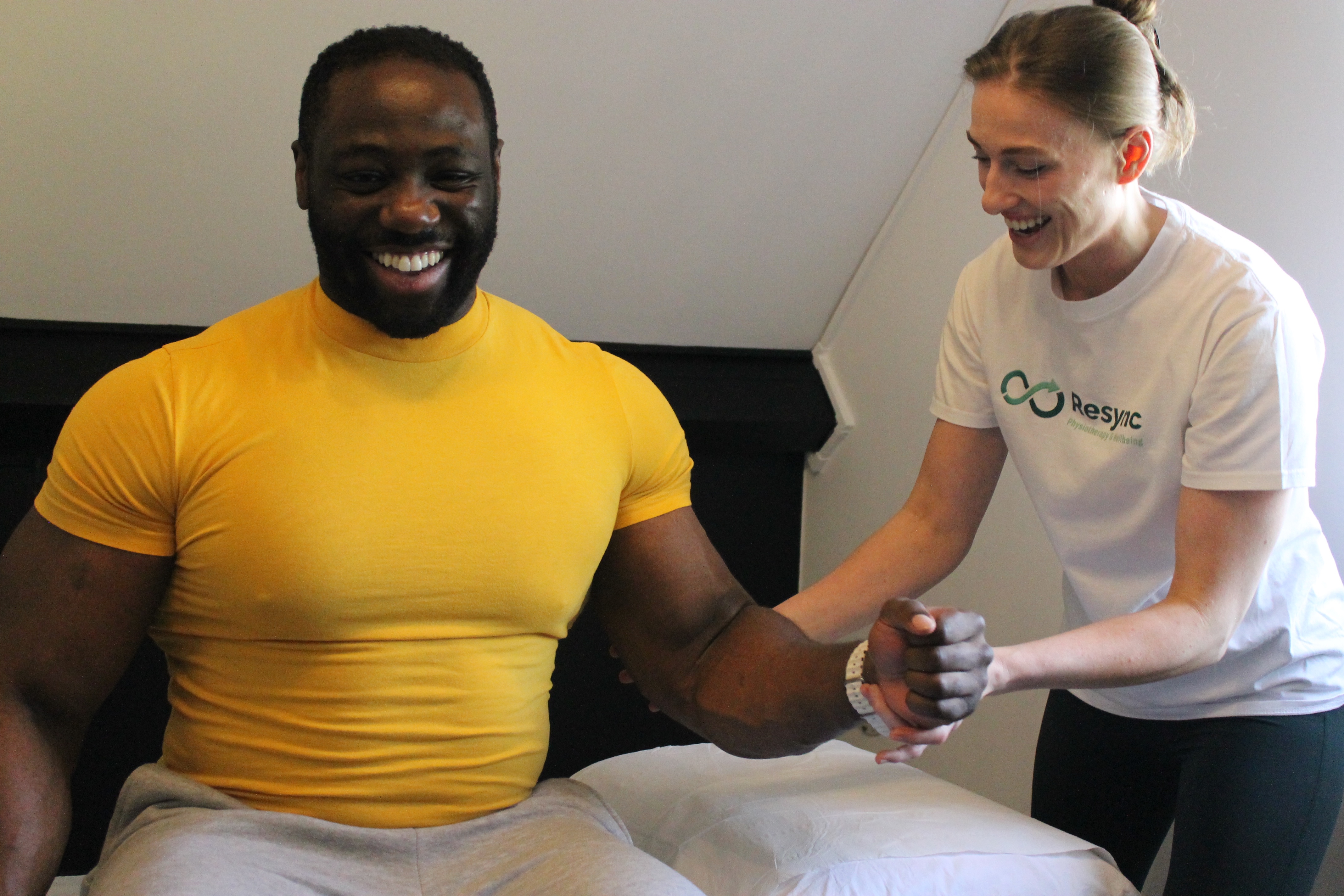
Rehab is lonely when you're doing it on your own. You've got a sheet of exercises, no idea whether the ache afterwards is normal, and nobody to ask at nine on a Tuesday night.
That's the bit I fix. You'll always know why you're doing something, whether what you're feeling is expected, and what the next step is. And when it's going well, I'll be the one telling you — because progress in rehab is often too slow to notice from the inside.
I care about every client the same way, whether they're in the clinic room or on the other end of a message. Getting you back to the thing you stopped doing is the whole point.
Most people return when the pain stops. That's the day it usually goes again — because pain settling and being ready aren't the same day.
On this pathway you're tested before you return. Strength compared side to side, control holding under fatigue, and the demands of your sport or your job tolerated without a reaction the next day. You'll see the numbers, so you'll know rather than hope.
And once you're back, we keep going for a while. Coming back is the easy part; staying back is what this stage is for.
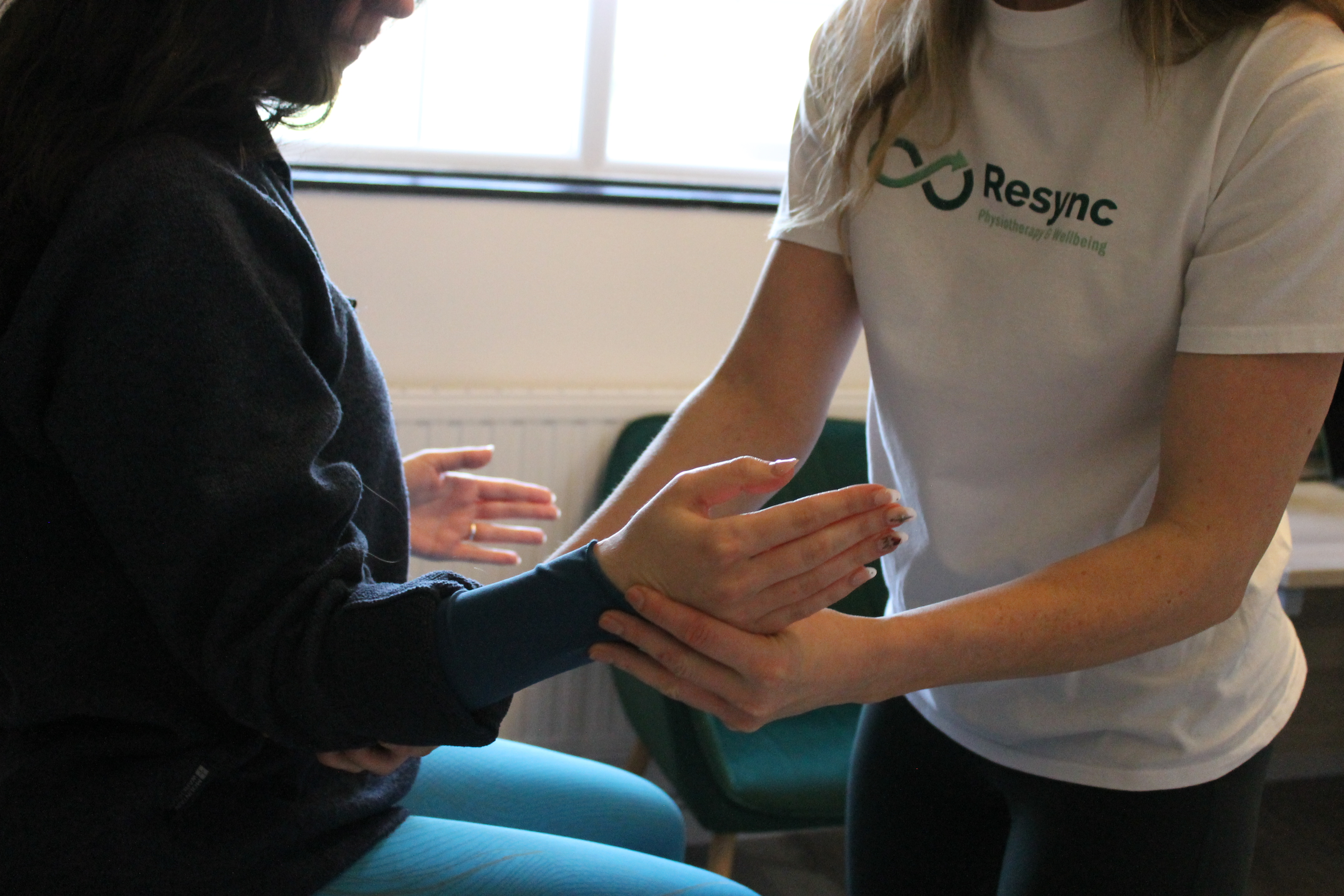
Tell us what happened and what you're trying to get back to. If online isn't the right route , we'll say so.
Tell me where you're at. The more detail you give me, the more it will guide our first call. What happens next: I read every application. I'll send you an email once I have read your application and we will arrange a 30 minute call. On the call we will talk through your application and whether the coaching is the right fit. Places are limited as I get alot of applications and keep numbers on my programmes limited to maintain a high quality of care and support.