.png)
The pain that travels down your leg, and the pins and needles that turn up when you sit too long.
It's not really your back that's the problem. It's the leg.
That line of pain down the back of the thigh, the calf that feels like it's burning, the pins and needles that turn up after twenty minutes in the car. You've started standing at the back of meetings. You've worked out which position gets you through the night, more or less, and you've stopped planning anything that involves sitting for long.
Sciatica is exhausting in a way that's hard to explain to people who haven't had it. The good news is that most cases do settle, and there's a lot you can do to help that along.
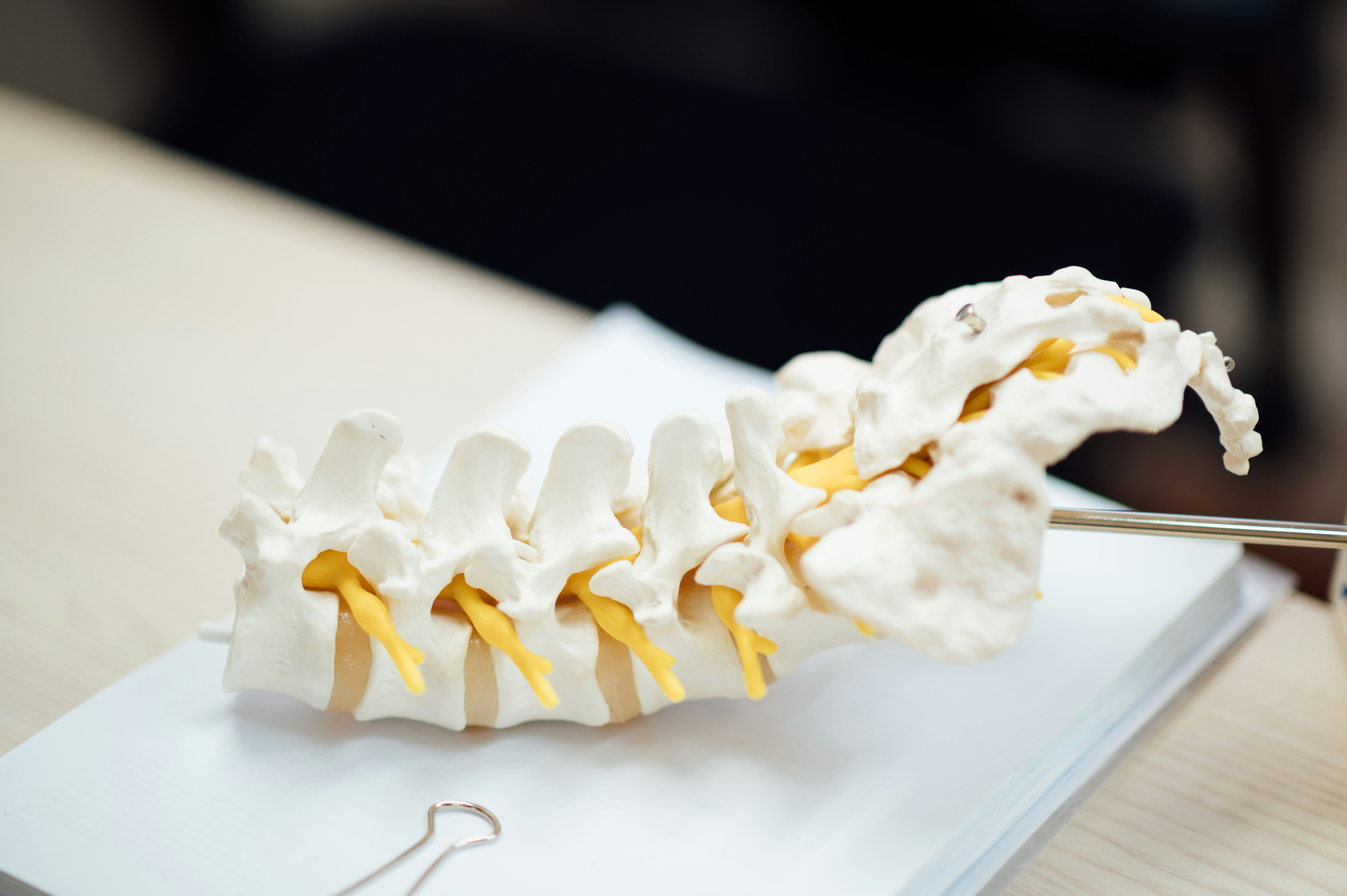
Sciatica is a description of symptoms rather than a diagnosis on its own. It means the sciatic nerve, or one of the nerve roots that feeds into it, is being irritated somewhere along its route from your lower back down your leg.
That irritation is most often caused by a disc bulge pressing on the nerve, though it can also come from narrowing of the space the nerve passes through, or from tight and sensitive tissue around it. The pain you feel in your calf is real, and the source of it is usually much higher up.
Nerves take longer to settle than muscles do, which is why sciatica tends to outstay its welcome. It also explains why the right movements at the right time make such a difference.
This is more than physio - it's a partnership. We will be with you every step of the way and this becomes a toolkit for life to look after your body, understand what it needs and how to build lasting strength for the things you love.
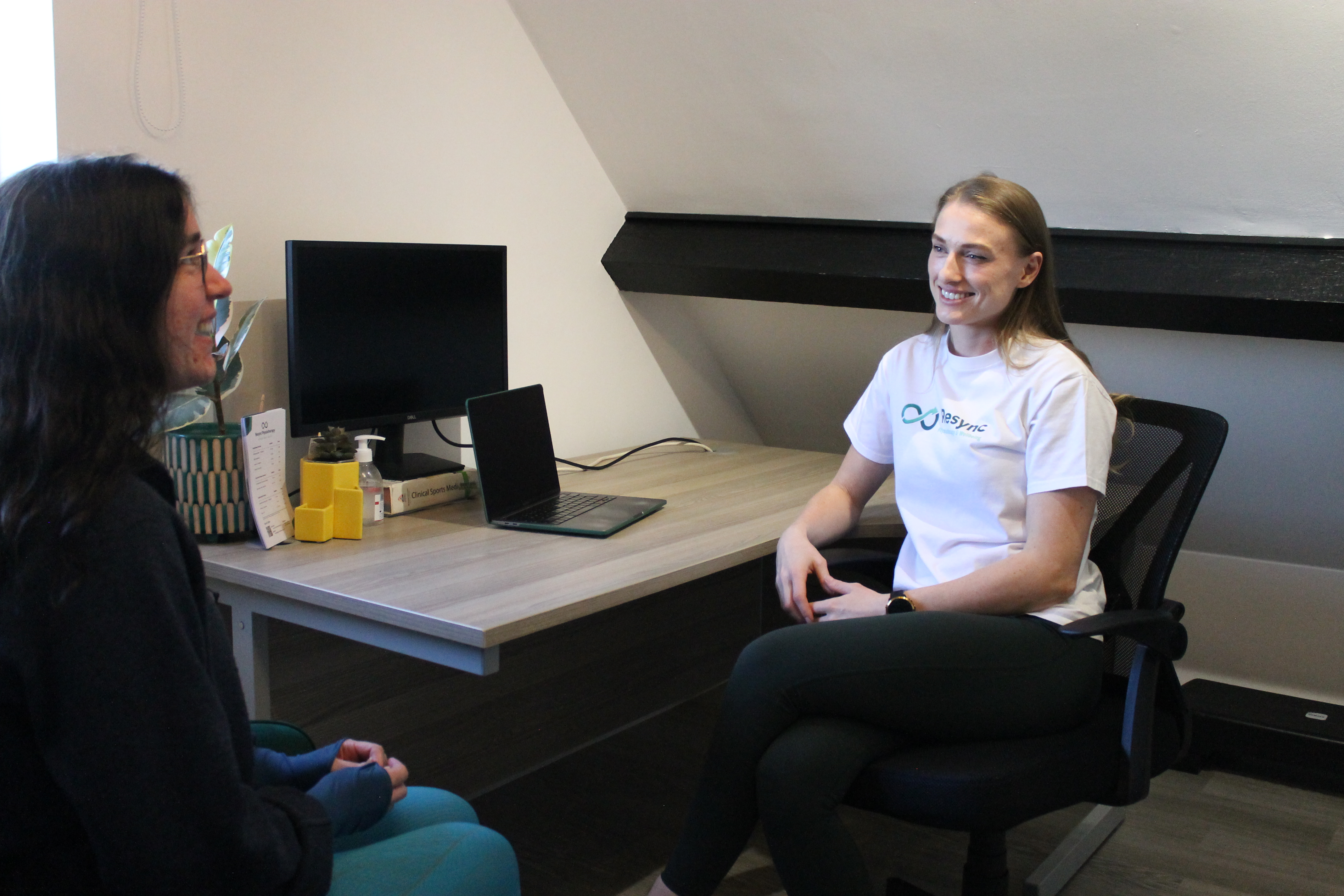
First we work out what's actually going on, and why. You'll leave the first appointment with a clear understanding of the cause — not just the symptom — and we settle things down enough to start moving properly again.
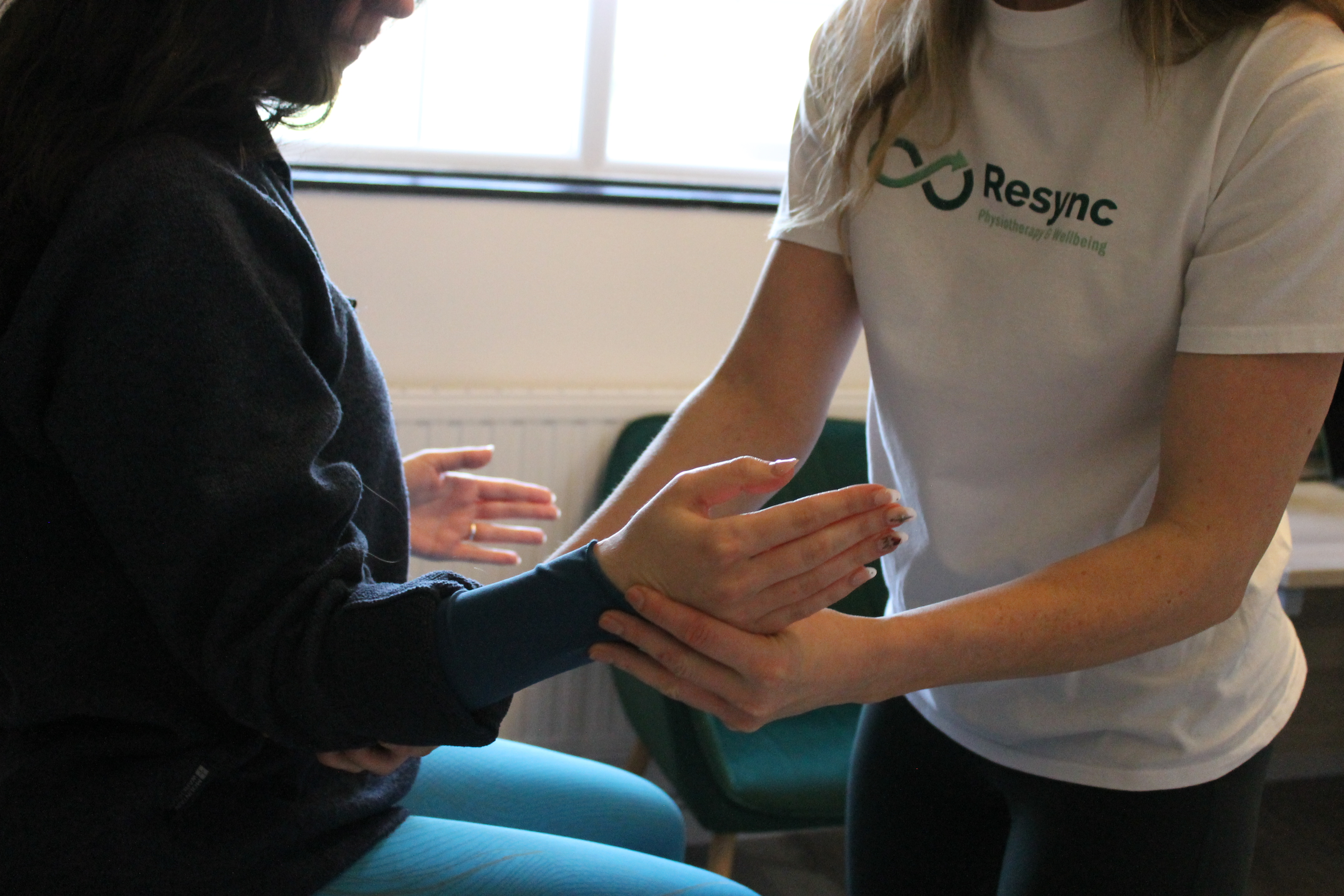
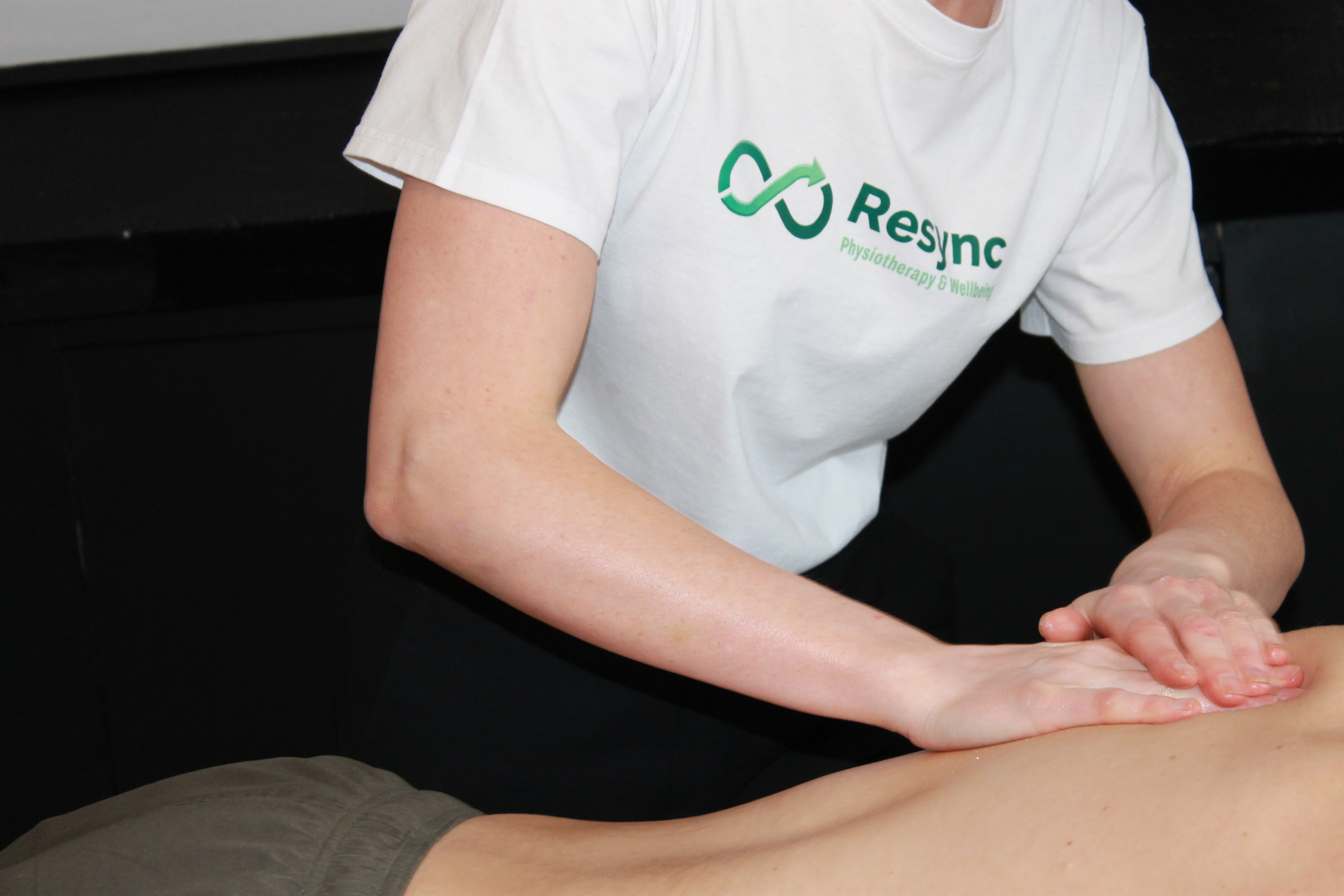
Hands-on treatment where it helps, and a programme built around you — your week, your goals, what you can actually keep up. This is where strength and capacity get built back properly, and progressed as you go.
The stage that stops it coming back. You'll understand your own body and have a way of training that's practical, simple and actually enjoyable — so you stay fit and out of pain for life, doing the things you love.
Whatever brings you in, the approach is the same — find what's driving it, treat that, then work with you to build lasting strength and resilience.