.png)
Stiffness by the afternoon, headaches by the evening, and a desk you can't get away from.
You're fine first thing. By about three in the afternoon your shoulders have crept up towards your ears, and by the evening there's a headache sitting behind your eyes that paracetamol doesn't really touch.
You've started rolling your neck in meetings. You've bought the pillow, and then a different pillow. You check your blind spot by turning your whole body now, and you couldn't say when that started.
Most people assume this is just what desk work does to you. It's very common, which is a different thing from being inevitable.

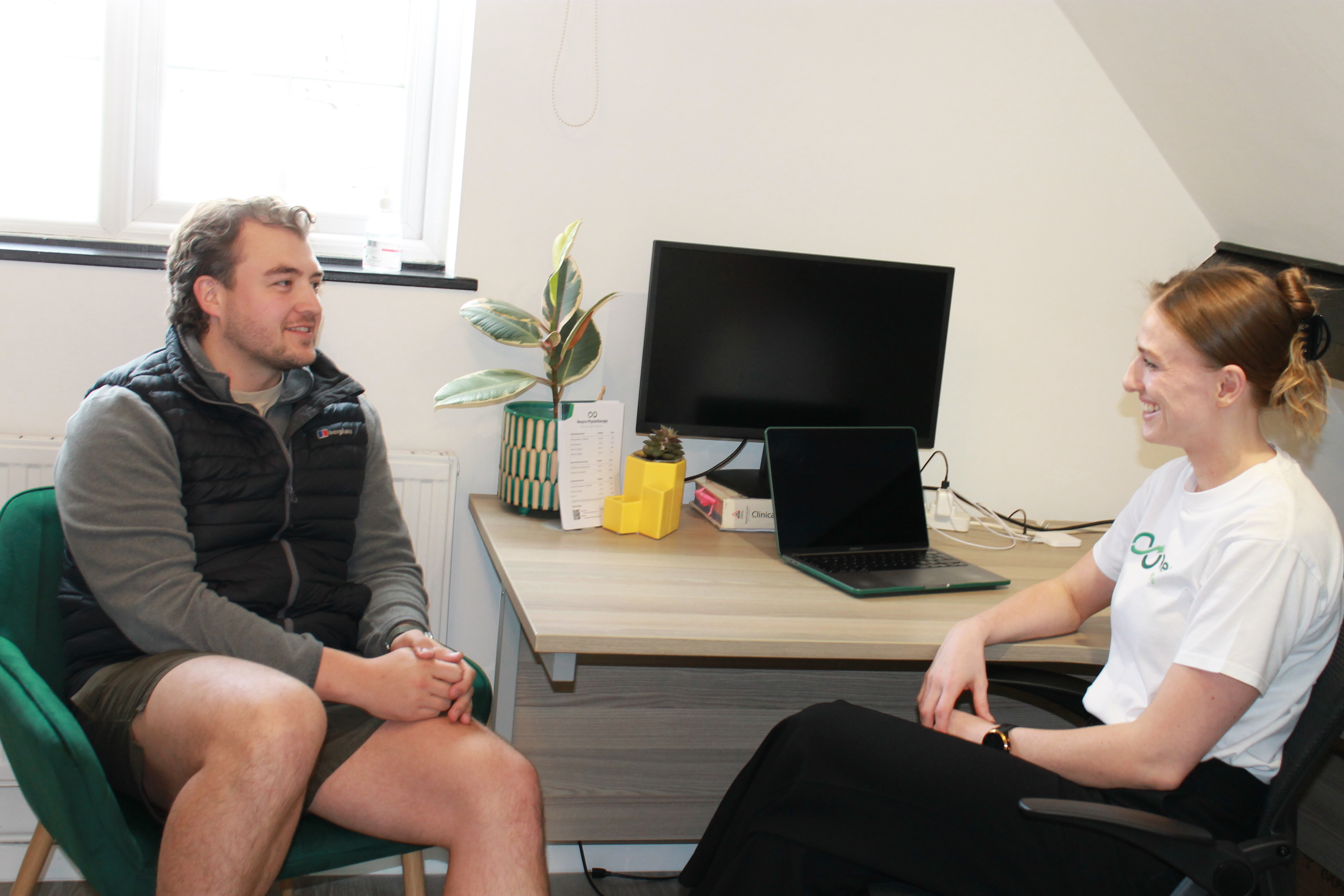
Your head weighs about the same as a bowling ball and your neck holds it up all day. It manages that with a lot of small muscles that get tired when they're asked to work in one position for hours.
What usually happens is a mix of sustained tension, reduced movement through the upper back, and neck muscles that have lost capacity. Sensitive tissue then refers pain into the shoulder blade, the shoulder or the head, which is why neck problems so often turn up as headaches.
It's worth saying that the pain is rarely a sign of damage. Necks are robust. They just don't love being still.
This is more than physio - it's a partnership. We will be with you every step of the way and this becomes a toolkit for life to look after your body, understand what it needs and how to build lasting strength for the things you love.
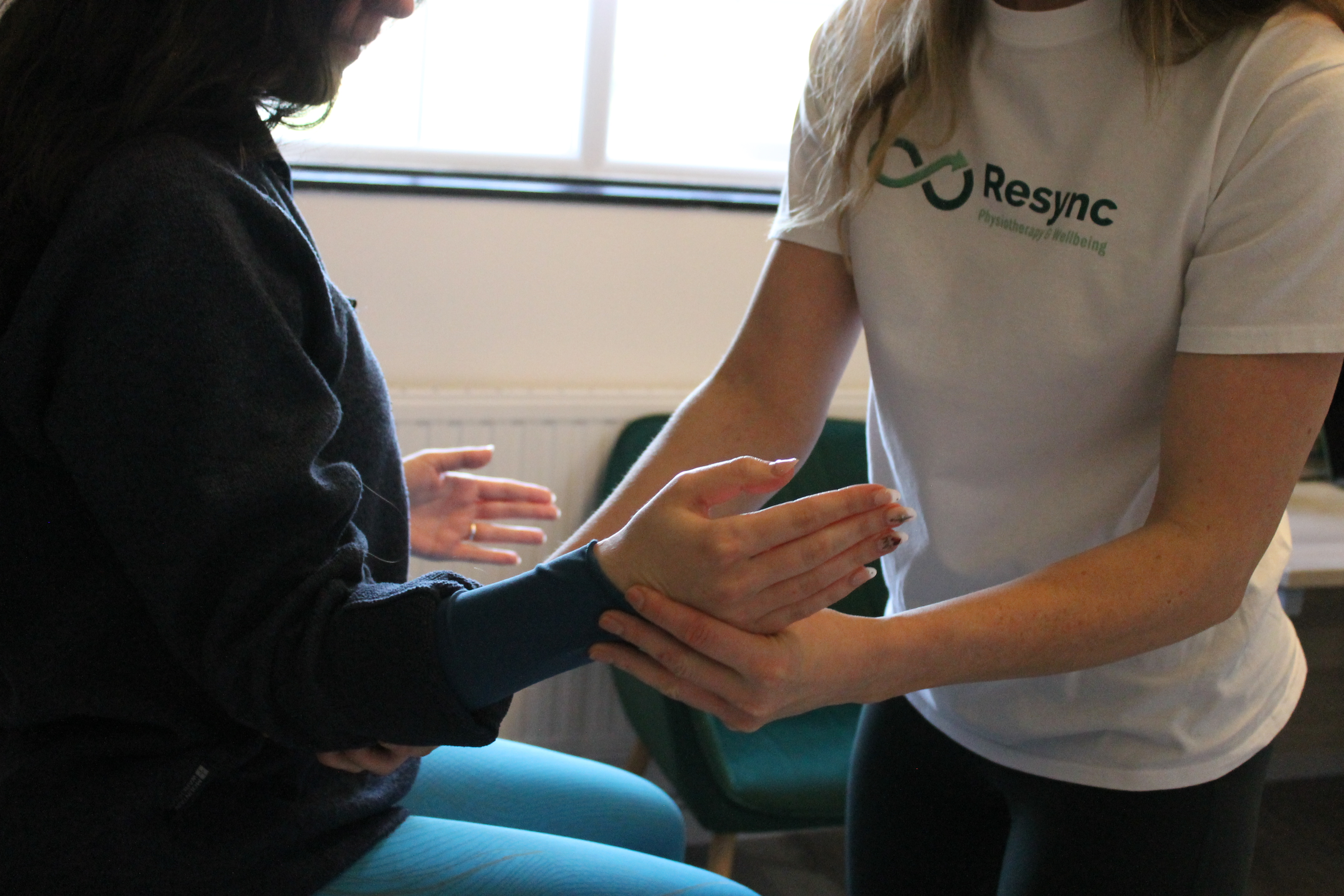
First we work out what's actually going on, and why. You'll leave the first appointment with a clear understanding of the cause — not just the symptom — and we settle things down enough to start moving properly again.
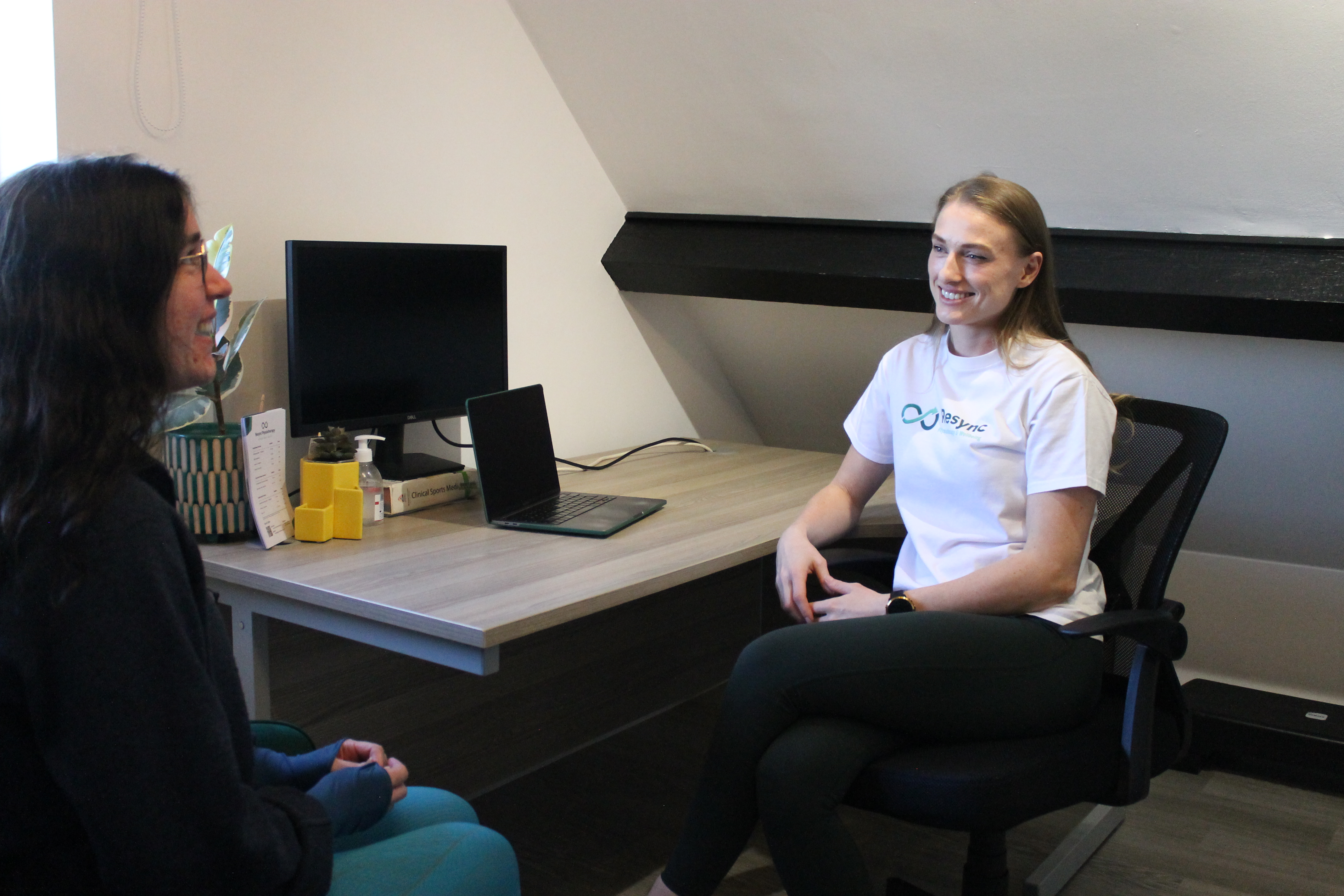
Hands-on treatment where it helps, and a programme built around you — your week, your goals, what you can actually keep up. This is where strength and capacity get built back properly, and progressed as you go.
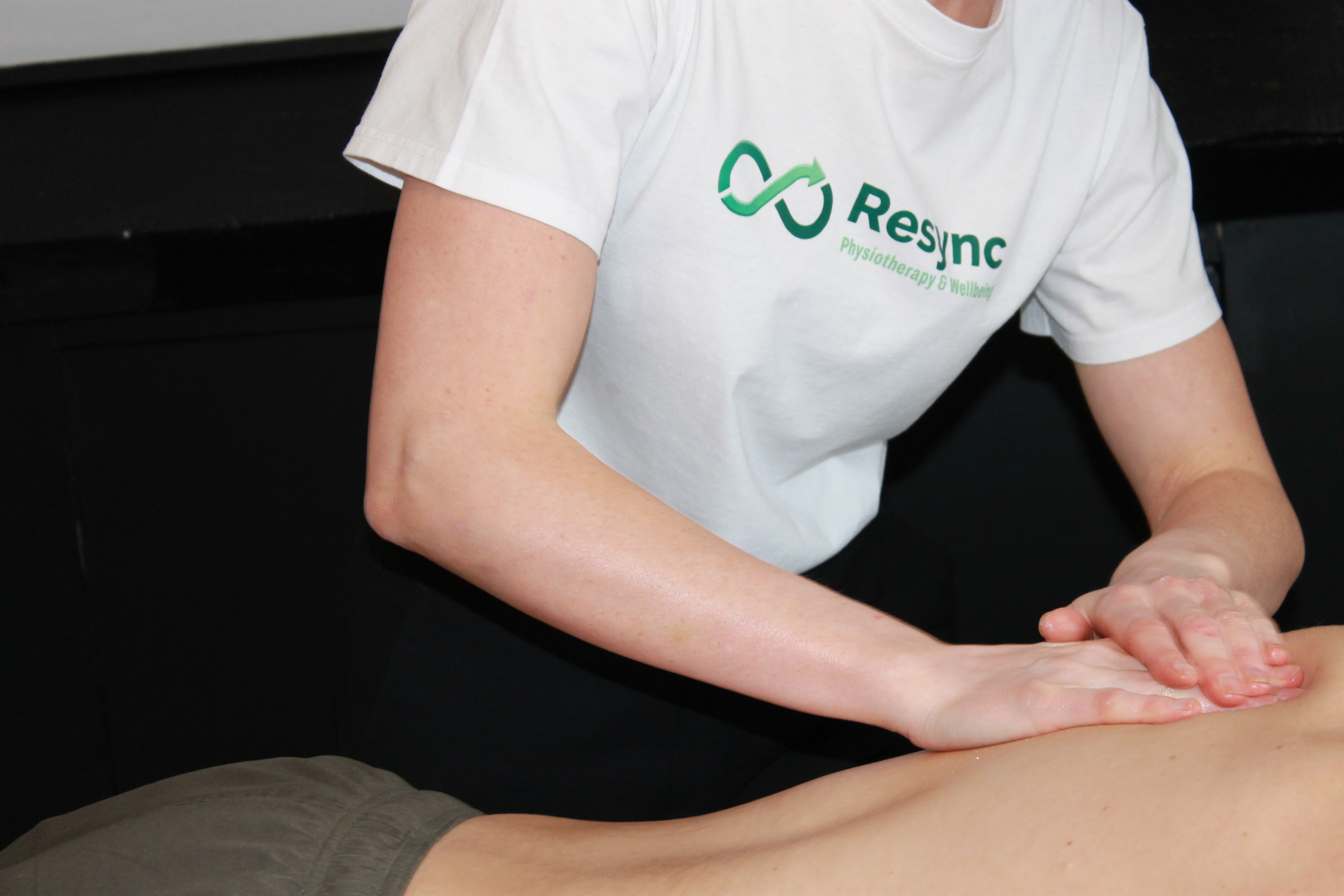
The stage that stops it coming back. You'll understand your own body and have a way of training that's practical, simple and actually enjoyable — so you stay fit and out of pain for life, doing the things you love.
Whatever brings you in, the approach is the same — find what's driving it, treat that, then work with you to build lasting strength and resilience.