.png)
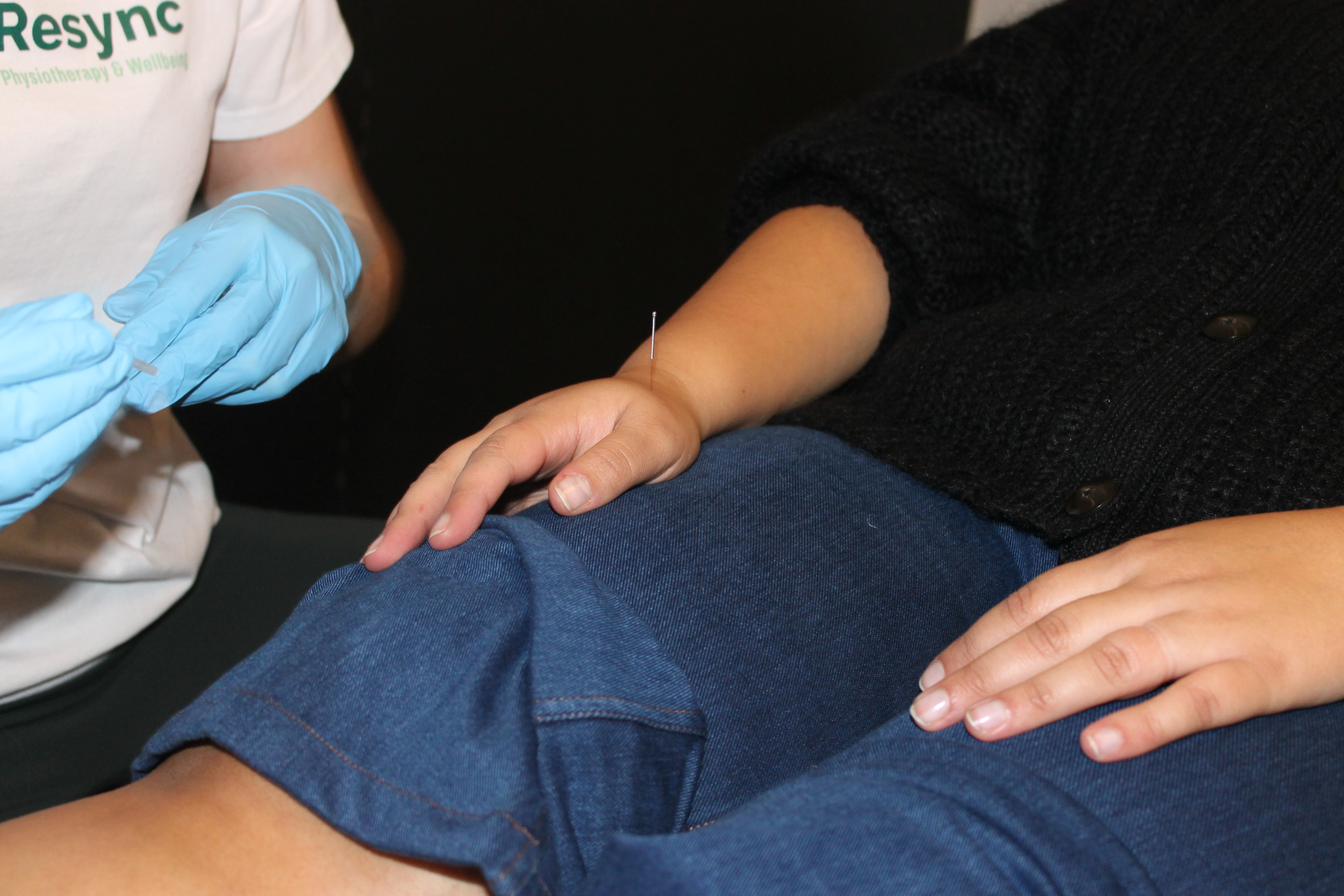
Acpuncture in Balsall Common and Solihull. Used alongside hands-on treatment and rehab for persistent pain.
Some things settle with hands-on work. Others don't. The same spot tightens back up within days, the headache comes back by Wednesday, and you start to wonder whether this is just how it is now.
Part of the reason is that a tight area isn't only a muscle problem. When something has hurt for a while, your nervous system starts holding it on guard — keeping it braced and sensitive. Acupuncture works on that system rather than on the muscle alone, changing the signals going back and forth and giving the area permission to stop bracing.
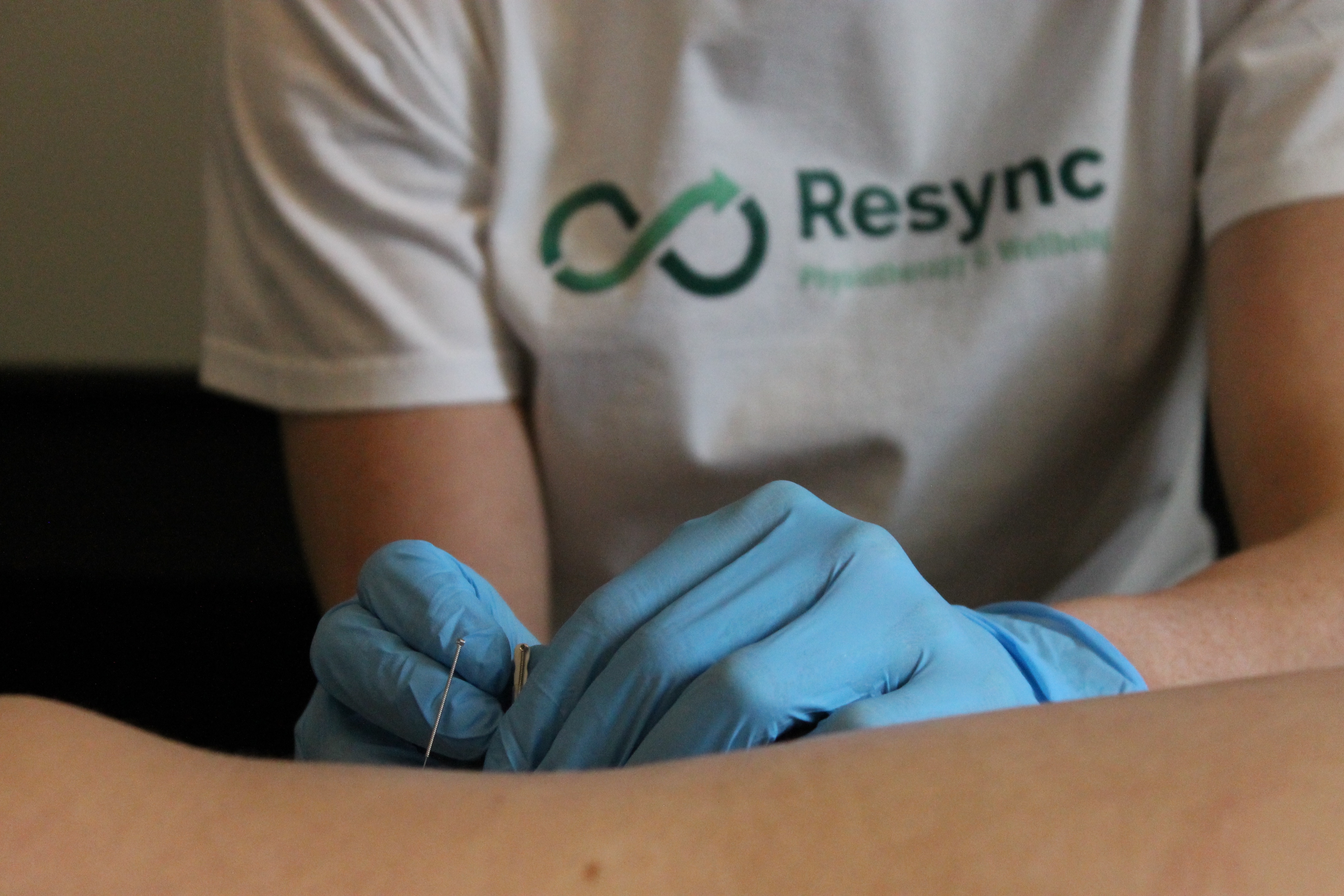
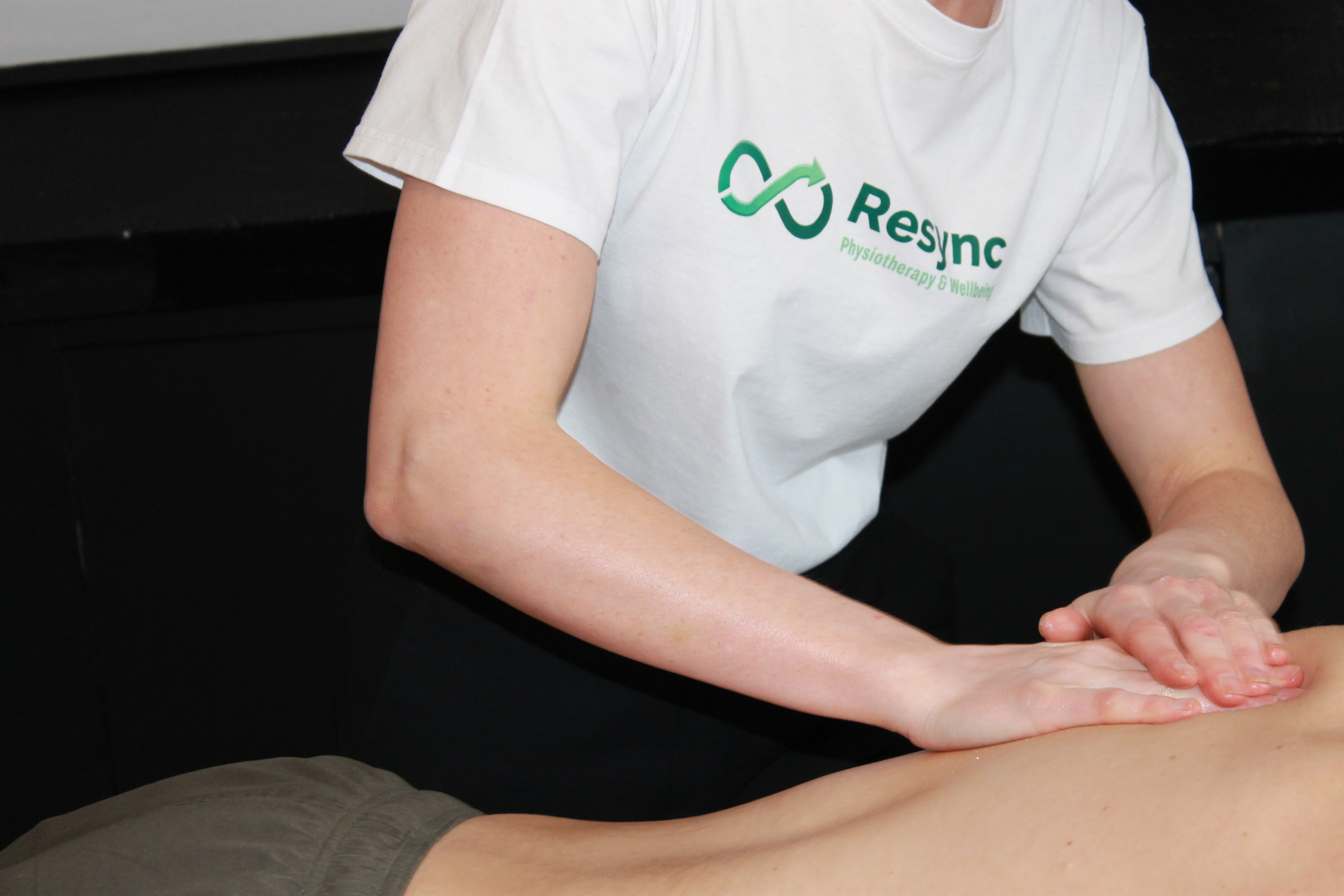
Acupuncture here is delivered as part of a physiotherapy appointment, not as a standalone treatment. We assess first, decide together whether acupuncture is worth trying for what you've got, and then use it alongside hands-on work and the rehab that follows.
"When I started experiencing ongoing joint pain and various other symptoms I approached her about the possibility of trying acupuncture. Abi carried out a really thorough assessment and I felt like she really listened to all of my concerns and goals and put together a bespoke treatment plan. I’ve had really great results from just a few sessions when other treatment options have failed and would highly recommend Abi if you need acupuncture or physio."
The needles are far finer than the ones used for injections or blood tests — most people barely feel them go in. What you might feel is a dull ache or a brief twitch in the muscle, which is normal and usually settles within seconds. If anything is genuinely uncomfortable, say so and we'll stop.
It's most often used for stubborn muscular pain, tension-type headaches, and areas that keep tightening back up between sessions despite hands-on work. It's a tool for settling things down so the rest of the plan can happen — not a treatment on its own.
Most people feel a bit heavy or tired for a few hours, and some feel mildly achy the next day — similar to after a deep massage. Occasionally there's a small bruise. We'll tell you what to expect before you leave, and what to do if anything doesn't settle.
Single-use sterile needles, disposed of after every treatment, delivered by an HCPC-registered physiotherapist. We'll take a full history first and check for anything that would make needling inappropriate — blood thinners, certain skin or immune conditions, pregnancy, or a metal allergy among them.
Not the first time. Your first appointment is a physiotherapy assessment, so acupuncture is a decision made after we've looked at you rather than a treatment chosen before anyone has. If it turns out to be useful, you can book it as a standalone session after that.
We work with lots of people who has persistent pain and niggles that just hasn't budged or with other health conditions that mean you don't feel well or like youself. Our unique methodology underpins why we get results.
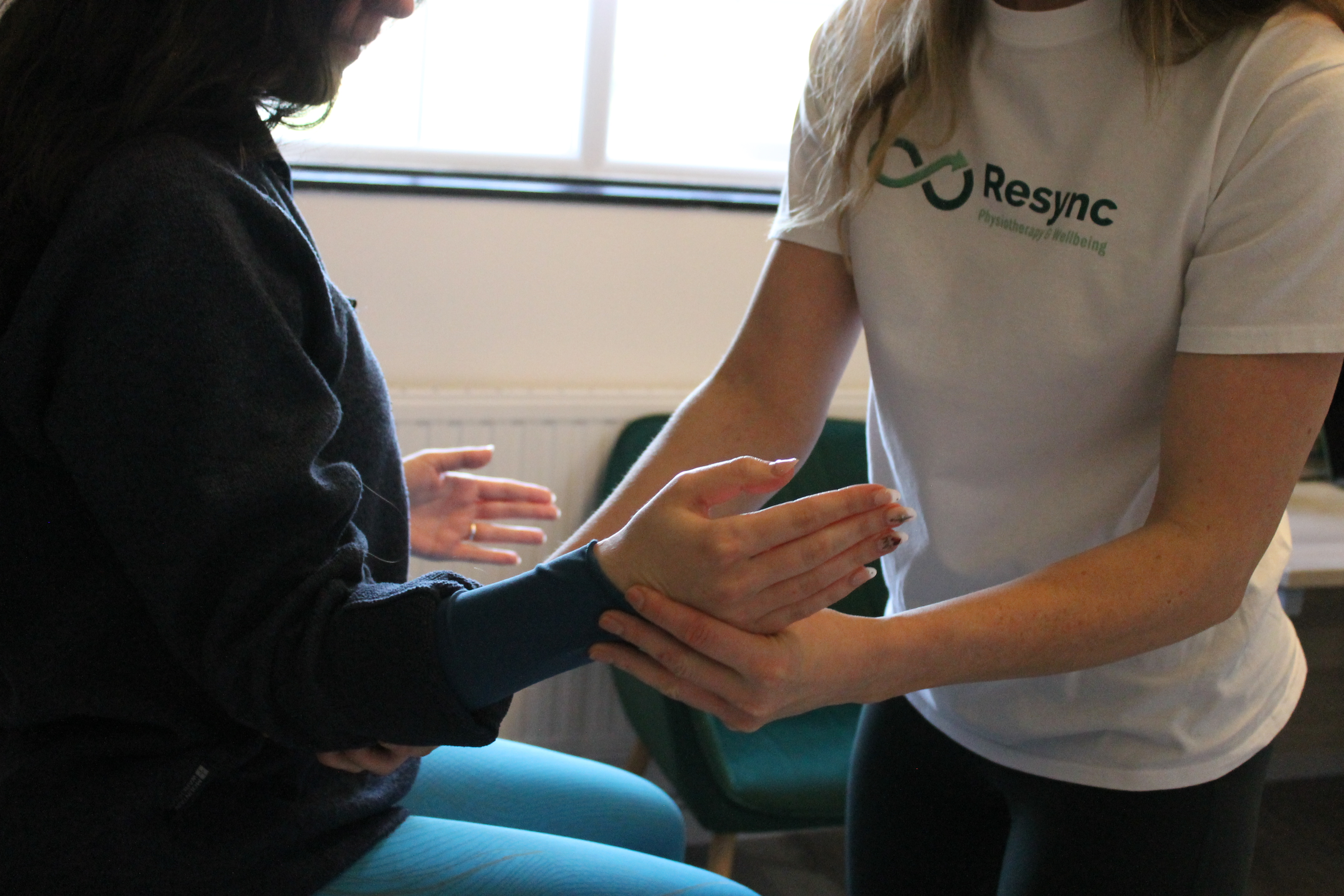
First we work out what's actually going on, and why. You'll leave the first appointment with a clear understanding what's happening, feeling heard and understood. You will feel hopeful that things can change.
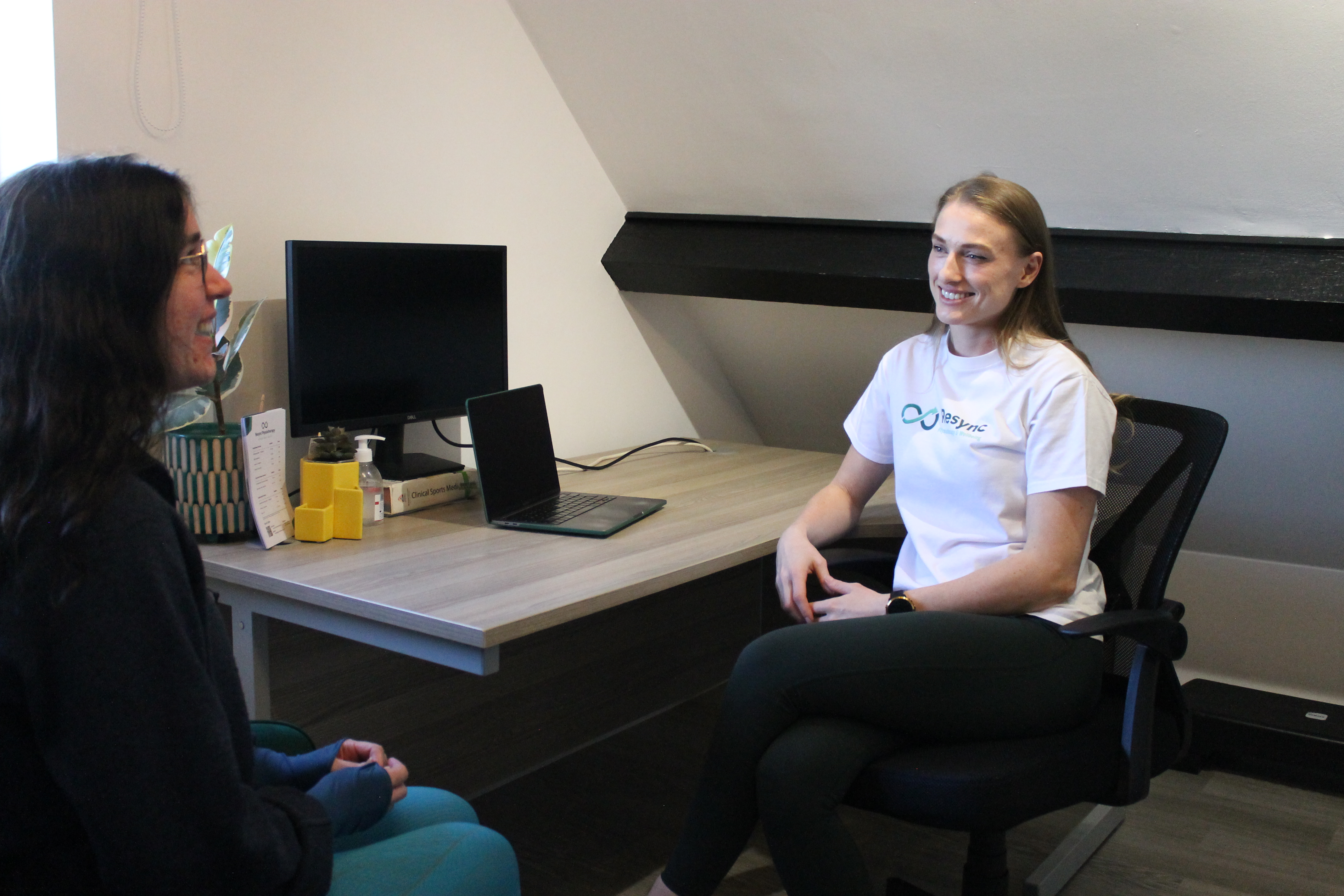
With complex pain there's rarely one answer. Some things help, some don't, and finding out which is part of the work. We try, measure, adjust and keep what's working — patiently, and without you having to start again each time something doesn't land. Then we build strength back around it at a pace you can actually tolerate.
The stage that changes how you live with it. You'll know your own patterns — what settles a flare, what sets one off, and what to do on a bad week without losing the ground you've gained. That's what makes it manageable rather than something that manages you.
We'll work out what's actually going on first, then decide together whether needling is worth trying. If it isn't, we'll say so.