.png)
You felt it go. Now you want to know how bad it is and how long it's going to take.
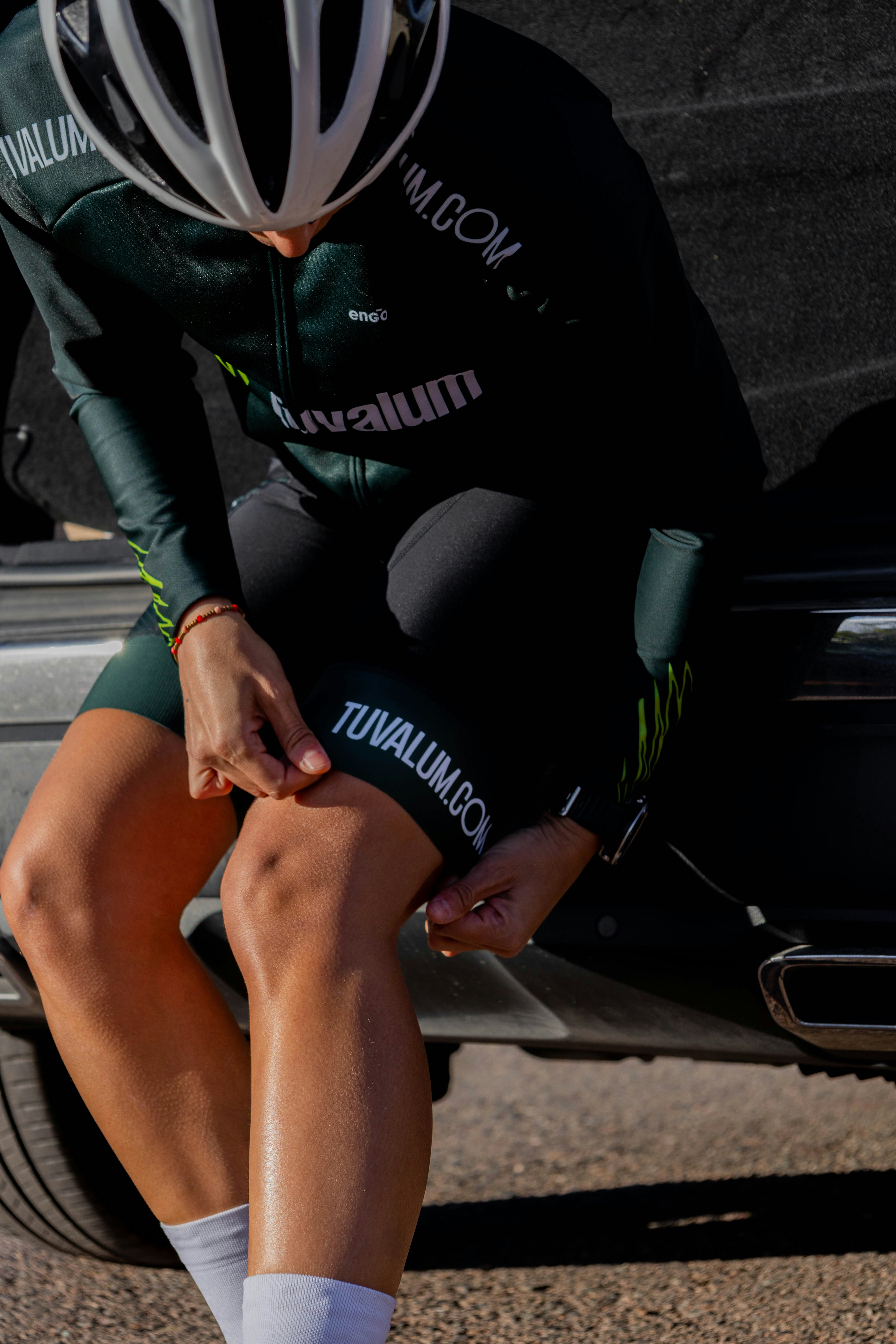
You felt it go. A sharp catch in the back of the leg, or a roll of the ankle that made you sit down for a minute.
Now you're trying to work out how bad it is. It's swollen but you can walk on it, which somehow makes it harder to judge. You're wondering whether to wait and see, and whether waiting is what caused the trouble last time.
Sprains and strains are the most common injuries there are, and they're also the ones most likely to be rushed. Getting the first two weeks right makes a real difference to the next two years.

A sprain is a ligament injury and a strain is a muscle or tendon one. Both happen when the tissue is asked to take more force than it can handle at that moment, usually quickly.
Both heal well when they're managed properly. The tissue repairs over a few weeks, though the strength and control around it take considerably longer to come back, and that gap is where the trouble starts.
The single most useful thing to know about ankle sprains in particular is that up to a third of people go on to have ongoing problems. Almost always because rehab stopped when the swelling did.
This is more than physio - it's a partnership. We will be with you every step of the way and this becomes a toolkit for life to look after your body, understand what it needs and how to build lasting strength for the things you love.
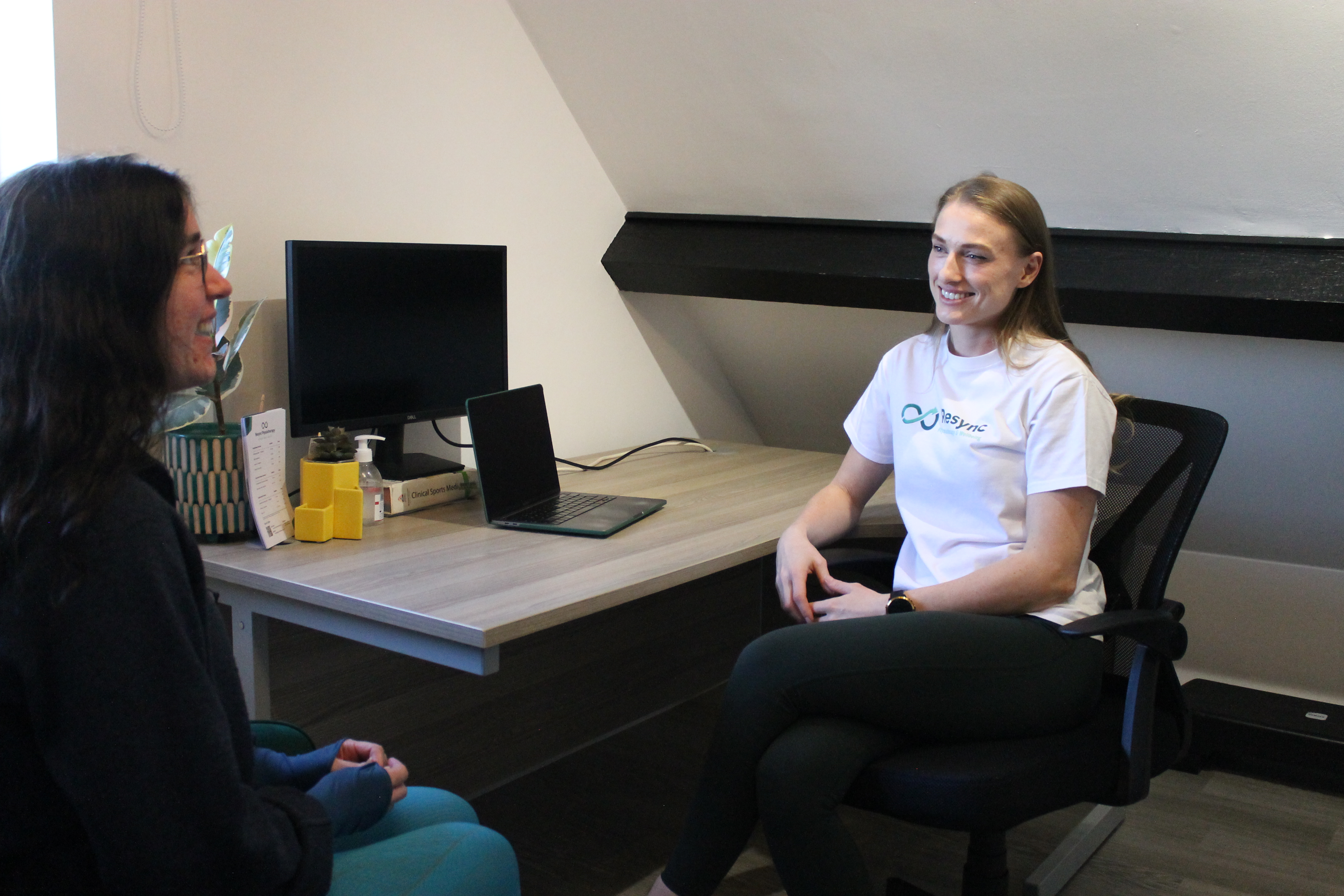
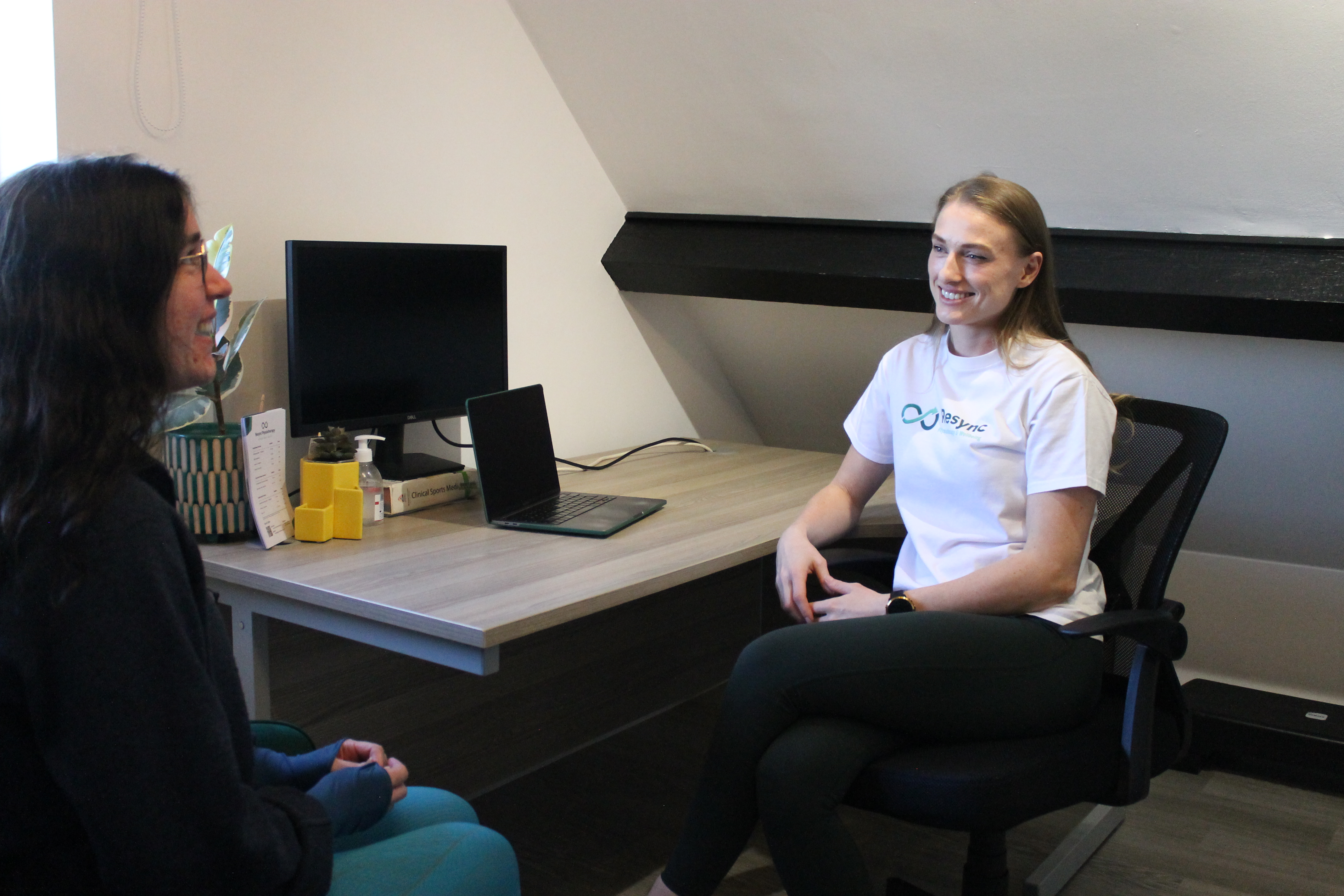
First we work out what's actually going on, and why. You'll leave the first appointment with a clear understanding of the cause — not just the symptom — and we settle things down enough to start moving properly again.
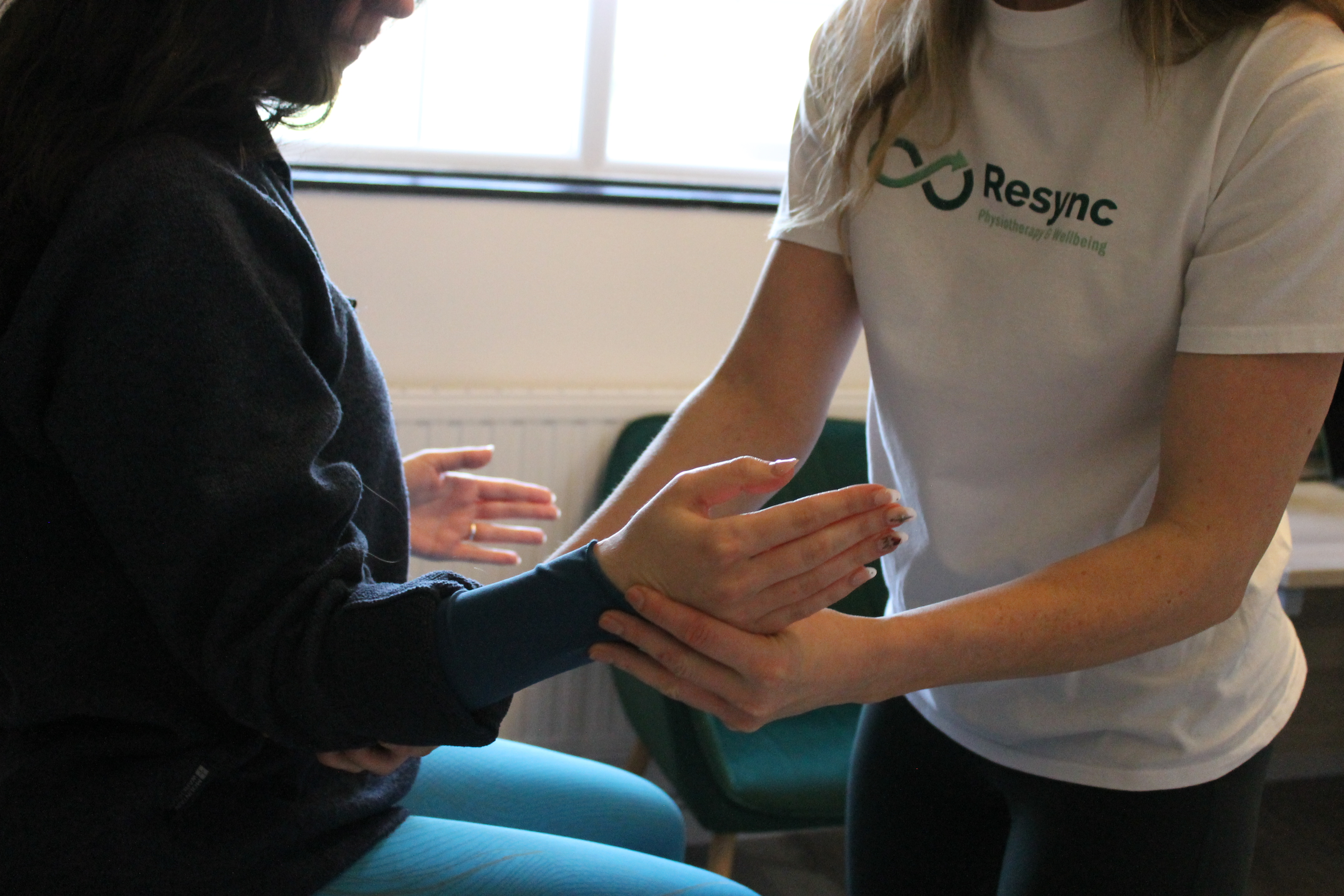
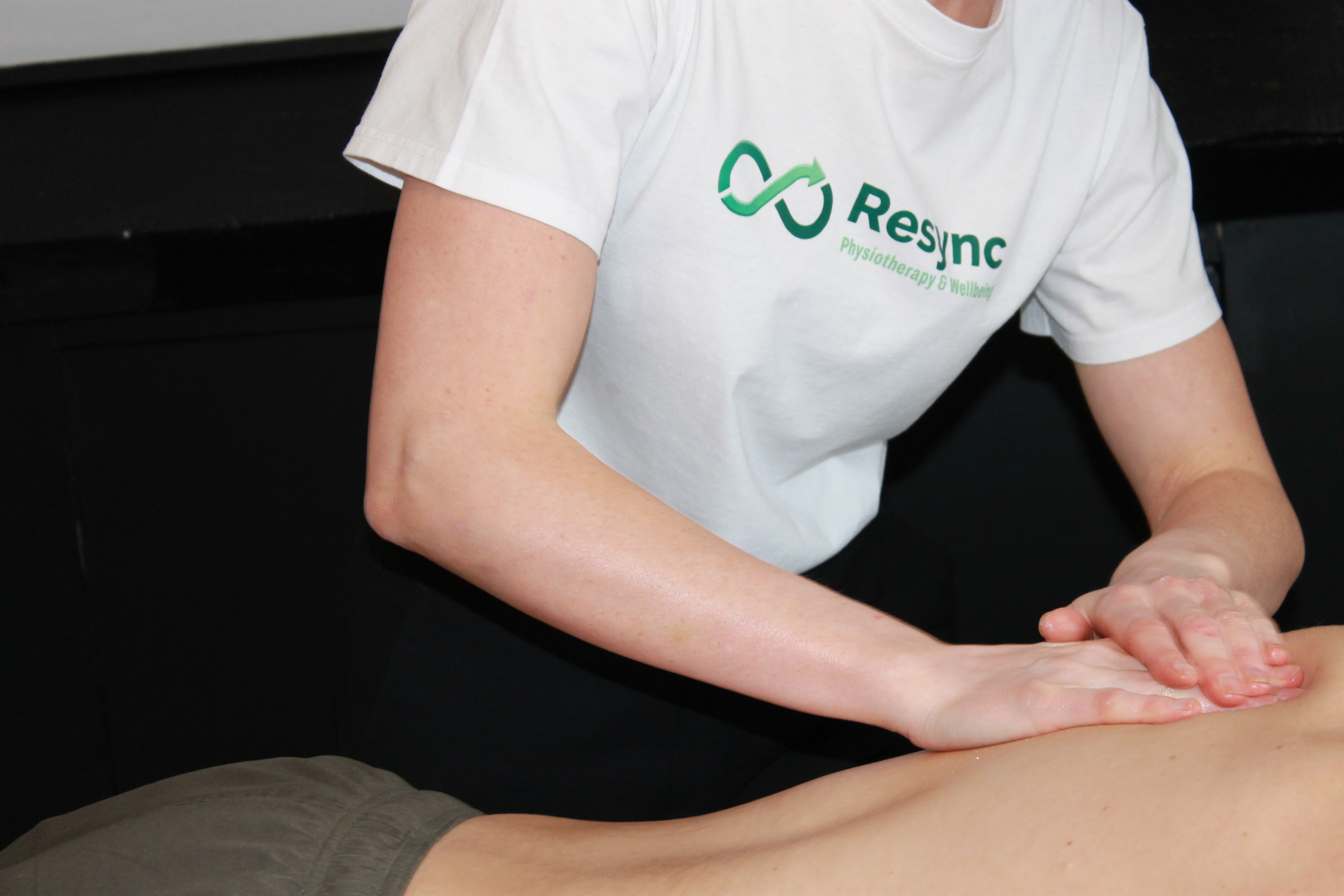
Hands-on treatment where it helps, and a programme built around you — your week, your goals, what you can actually keep up. This is where strength and capacity get built back properly, and progressed as you go.
The stage that stops it coming back. You'll understand your own body and have a way of training that's practical, simple and actually enjoyable — so you stay fit and out of pain for life, doing the things you love.
Whatever brings you in, the approach is the same — find what's driving it, treat that, then work with you to build lasting strength and resilience.