.png)
The niggle that shows up at the same point in every run, and the race you've already paid for.
It turns up at the same point in every run. Around three miles, or on the second hill, or the moment you try to pick the pace up.
You've been managing it. Shorter runs, flatter routes, a week off that helped until you went back. You've got something in the diary you've already paid for, and you're doing the maths on whether you'll be ready.
The worst part is the not knowing. Whether to push through or stop, whether it's serious or just soreness, and whether you're about to make it worse.

Most running injuries are load problems rather than technique problems. Something in your training increased faster than your body could adapt to, and the tissue with the least capacity gave way first.
That's usually a jump in mileage, a new set of hills, a block of speed work, or a change of surface or shoes. Sometimes it's a life thing instead, like a stretch of bad sleep or a stressful month, both of which reduce how much your body can absorb.
Running is also relatively low in strength stimulus, so runners commonly end up with plenty of endurance and not much capacity in the tissue that takes the impact.
This is more than physio - it's a partnership. We will be with you every step of the way and this becomes a toolkit for life to look after your body, understand what it needs and how to build lasting strength for the things you love.
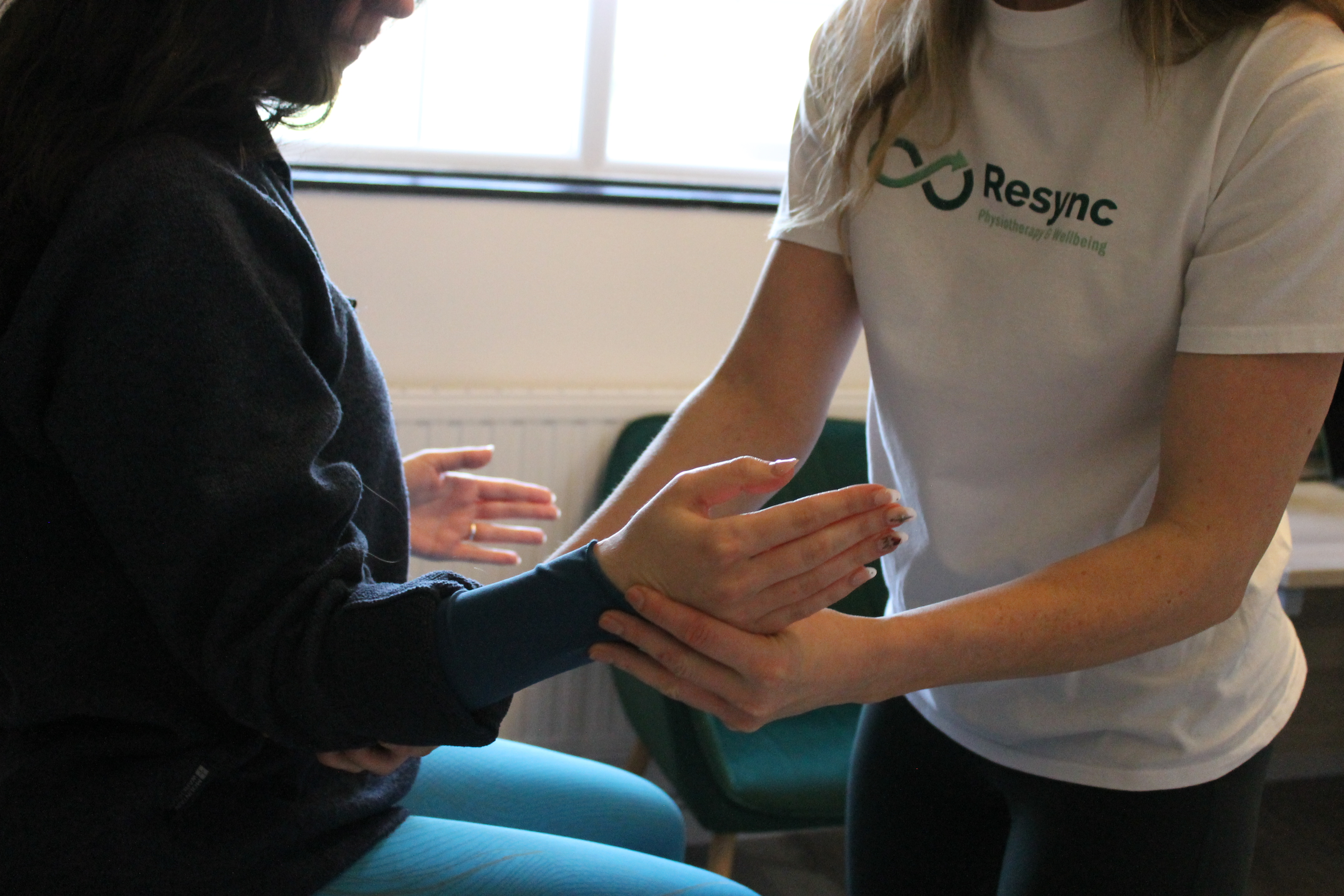
First we work out what's actually going on, and why. You'll leave the first appointment with a clear understanding of the cause — not just the symptom — and we settle things down enough to start moving properly again.
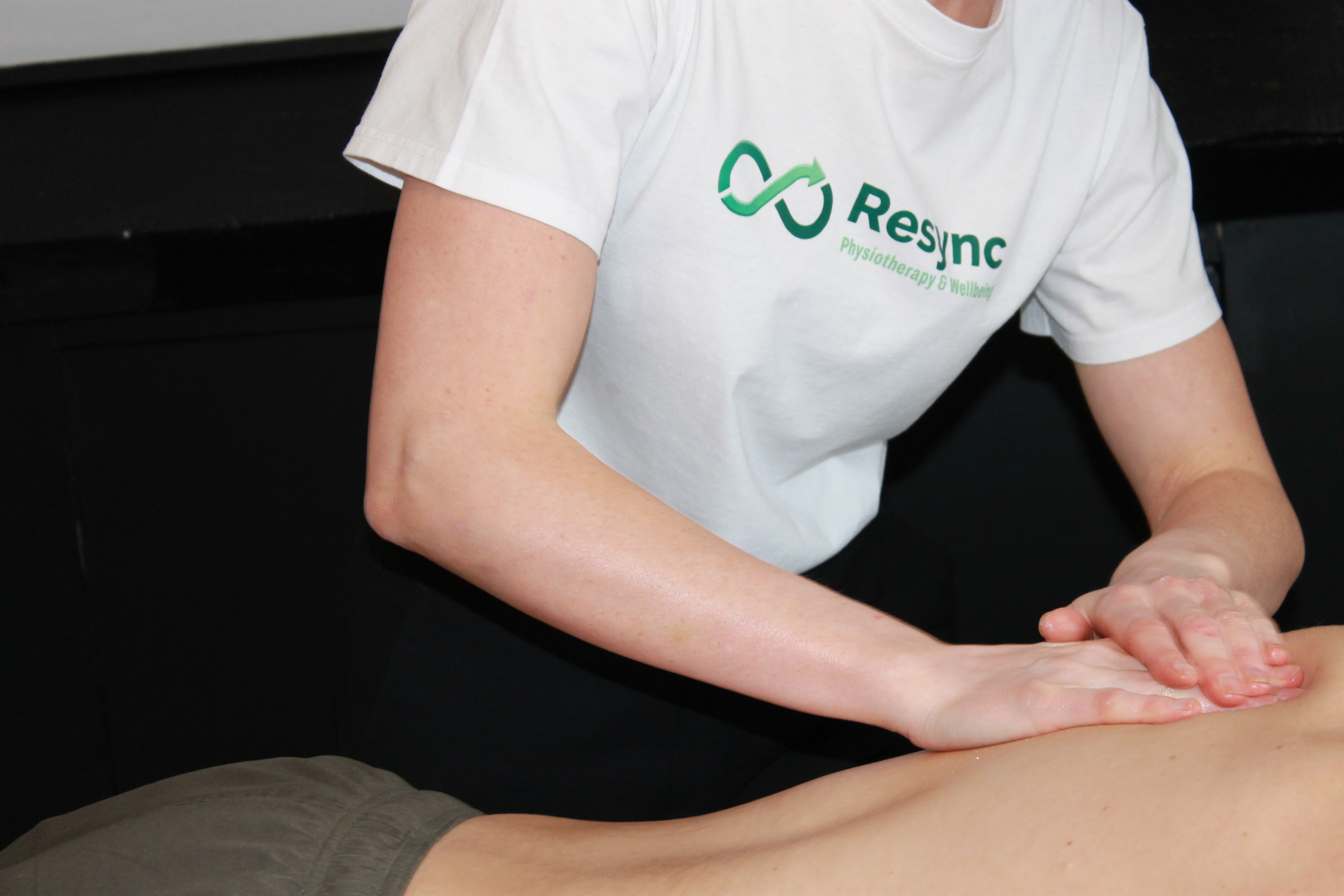
Hands-on treatment where it helps, and a programme built around you — your week, your goals, what you can actually keep up. This is where strength and capacity get built back properly, and progressed as you go.
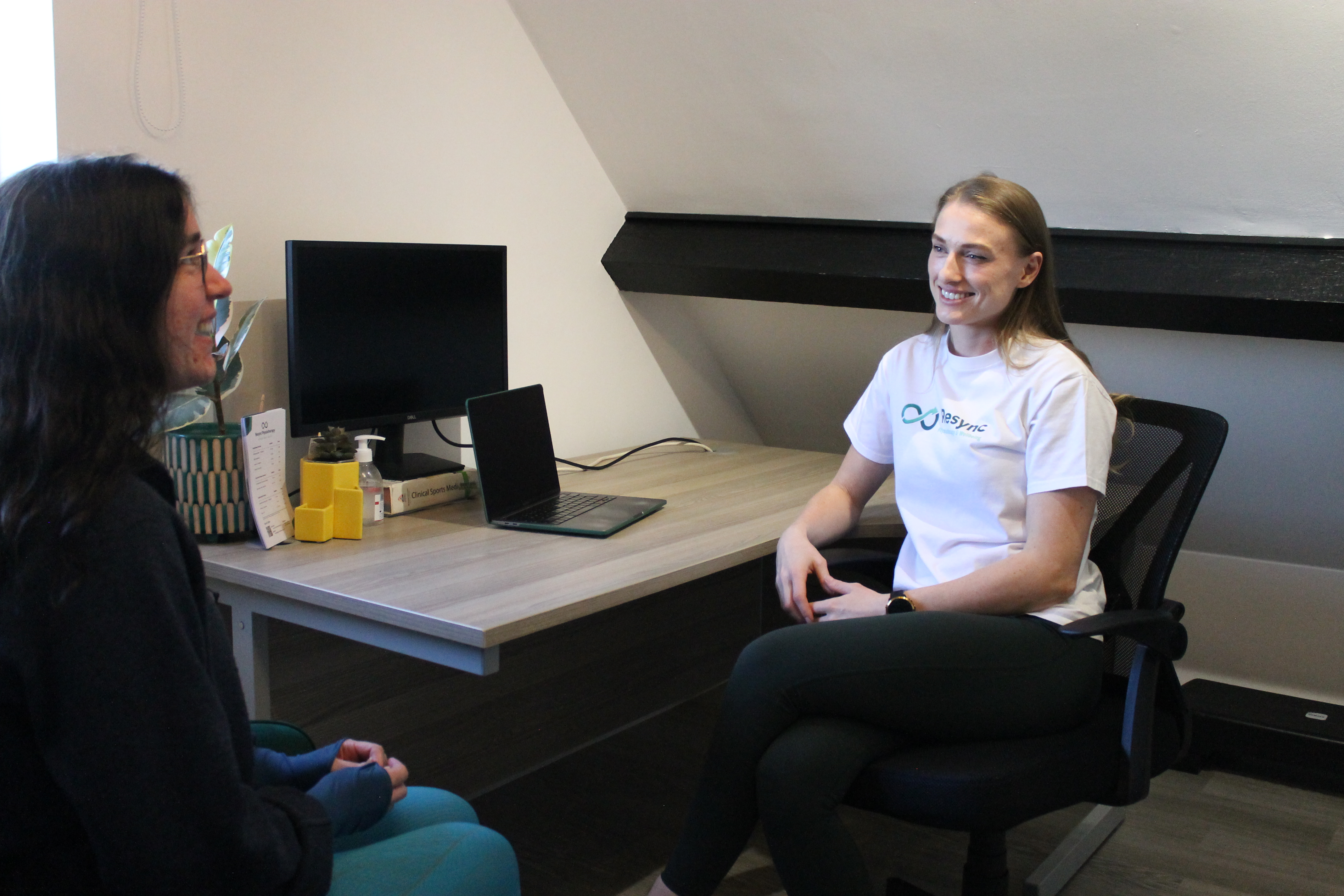
The stage that stops it coming back. You'll understand your own body and have a way of training that's practical, simple and actually enjoyable — so you stay fit and out of pain for life, doing the things you love.
Whatever brings you in, the approach is the same — find what's driving it, treat that, then work with you to build lasting strength and resilience.