Months of back pain, a scan that's 'fine' and exercises that didn't stick. What makes back pain complex, and what the evidence says helps.
If you've had back pain for months, or it keeps coming back, you've probably heard a few things that didn't help. Rest it. Your scan's fine. Try these exercises. Maybe you did all of that and you're still planning your day around how long you can sit.
That's what we mean by complex back pain. It isn't a diagnosis. It's back pain that has stopped behaving like a simple strain.
Most episodes of back pain settle within a few weeks. Some don't. Back pain is usually called persistent once it's lasted more than three months, and it often comes with other things: broken sleep, time off work, giving up the gym or the garden, and a growing worry about what's actually wrong.
It's very common. Low back pain is the leading cause of disability worldwide, affecting an estimated 619 million people in 2020. So if it's wearing you down, you're far from alone.
A lot of people with long-term back pain have been told their scan shows a disc bulge or 'wear and tear', and they've understandably assumed that's the cause.
The problem is that those same findings turn up in huge numbers of people with no back pain at all. A large review of scans in people without symptoms found disc degeneration in over a third of 20-year-olds and almost everyone in their 80s. They're often a normal part of getting older, like grey hair.
That's why NICE guidance doesn't recommend routine scans for back pain unless there are warning signs. A scan can rule out serious problems. It usually can't tell you why your back hurts or what will help.
Long-term back pain is rarely about one damaged structure. It's usually a mix of things that keep each other going:
Rest can take the edge off a flare-up. On its own it doesn't build anything back, which is why the pain so often returns.
Exercise. NICE recommends exercise as a first-line treatment for low back pain, and a Cochrane review of 249 trials found exercise therapy reduces pain for people with long-term back pain compared with no treatment or usual care. The best exercise is the one that suits your back and that you'll actually keep doing.
Making sense of your pain. Understanding what's going on, and what isn't, makes a real difference. In the RESTORE trial of 492 people with long-term, disabling back pain, an approach that combined making sense of pain with graded movement and lifestyle changes led to large improvements that were still there a year later, at lower overall cost than usual care.
Matching care to the person. Not everyone with back pain needs the same thing. Some people need reassurance and a plan; others need more time, more testing and more support. Research on stratified care, which matches treatment to each person's risk of ongoing problems, backs this up.
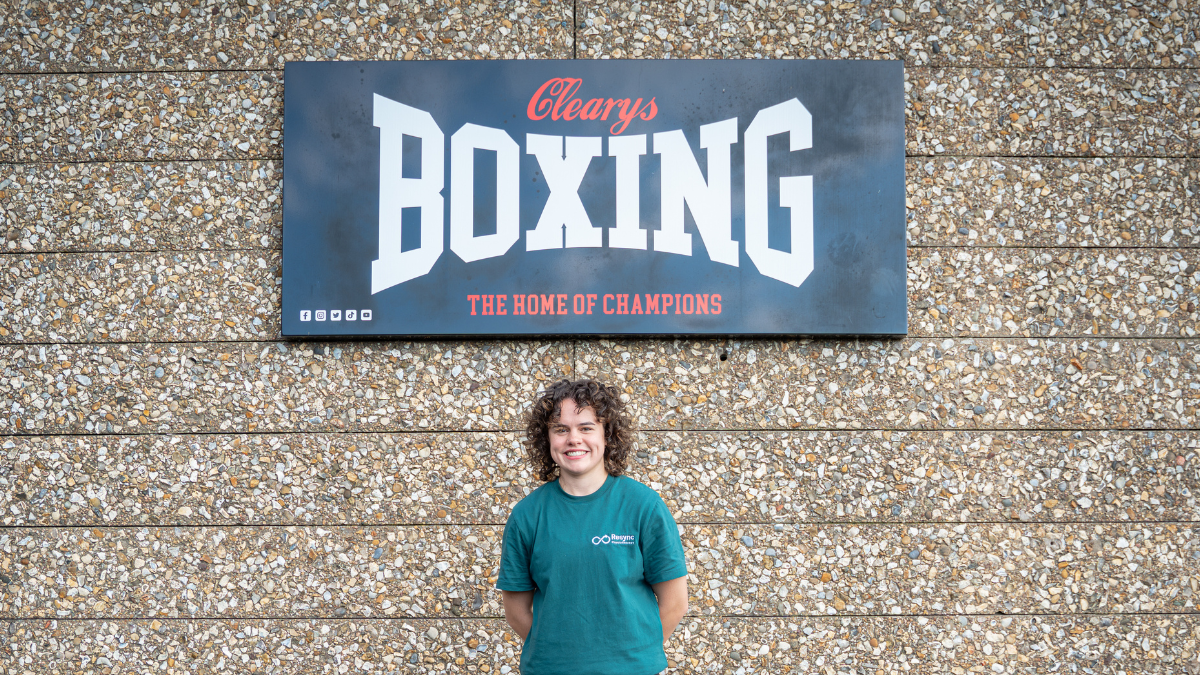
That's why we've set up specialist back pain assessments with Maiwand at our Whitnash clinic, inside Cleary's. Maiwand is an HCPC-registered physiotherapist who has completed all three McGill Method courses, developed by Professor Stuart McGill from his research on back mechanics.
In practice that means he doesn't guess. He takes a full history, then tests how your back responds to different positions, movements and loads, so he can find what provokes your pain and what settles it. You'll leave knowing what's going on in plain English, with a plan built around what your back can currently cope with, and a way to build it back up in the gym next door.
You can book a 60-minute Specialist Back Assessment (£80), a 90-minute Complex Back Assessment (£120) or a two-hour assessment with your programme coached in the gym (£160). If you're not sure which, give us a ring.
Go to A&E or call 111 straight away if back pain comes with any of these:
These are rare, but they need checking quickly.
Find out more on our complex back pain page, book online at Cleary's, Whitnash, or call 07741 051352. No GP referral needed.
Give us a call and we will talk you through what we think is best for your recovery.
Perhaps you've been here before. A long wait that went nowhere, or a sheet of exercises and no real plan. If you're unsure whether we're the right fit, you don't have to book anything to find out.
Tell us what's going on and we'll come back to you honestly and let you know how we can help.