.png)
They solve different problems. Here's what each actually does, which to book, and the pattern that means massage alone isn't the answer.
They're different things and they solve different problems, so the answer depends less on what hurts and more on what you want to happen next.
Sports massage works on soft tissue. It eases tension, helps areas that feel tight or restricted feel better, and makes movement more comfortable for a while.
People often leave feeling looser and more relaxed, and that's a real effect worth having. It's particularly useful during a heavy training block, in the days after a hard event, or when you're carrying general tension from work and life.
Physiotherapy starts with working out what's driving the problem. That means a proper look at how you move, where your strength is, and what changed before the symptoms started.
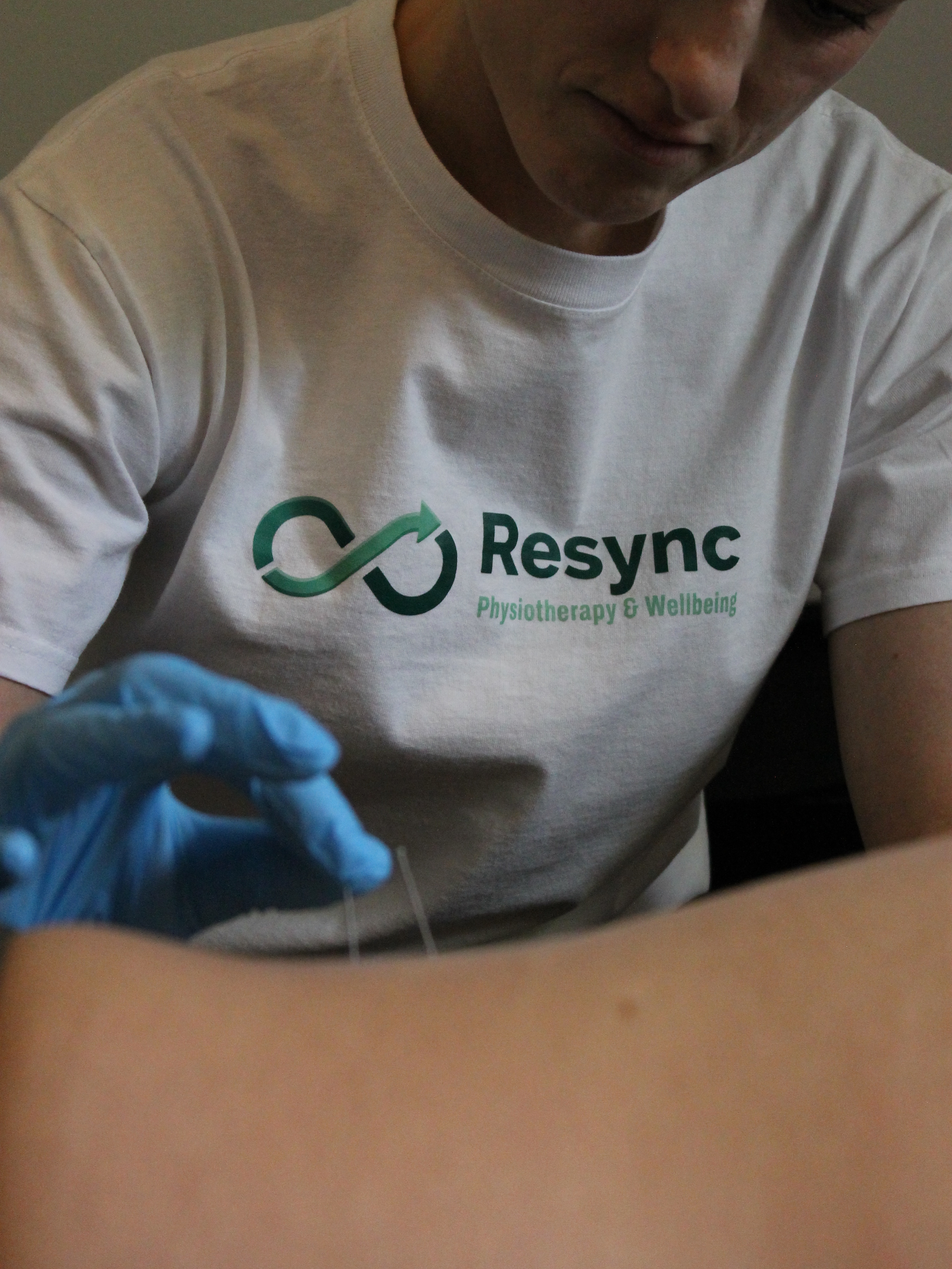
From there it's treatment plus a plan. Hands on work where it helps, loading to build the capacity that's missing, and a programme you take away.
The aim is that the problem stops returning, rather than feeling better for a fortnight.
If you're booking massage for the same area every few weeks and it tightens up again each time, the massage is doing its job on a symptom while something underneath stays the same.
That's usually a capacity problem. The tissue is being asked for more than it can currently give, so it protests, you release it, and then it protests again. Building strength in that area is what breaks the cycle.
We'll tell you if we think that's what's happening rather than keep booking you in.
Plenty of people do, and it works well. Massage early on can make movement more comfortable and rehab easier to get going. Then the strength work does the part massage can't.
If you aren't sure which to book, get in touch and describe what's going on. We'll tell you honestly, including if we think you need neither of us yet.
Give us a call and we will talk you through what we think is best for your recovery.
Perhaps you've been here before. A long wait that went nowhere, or a sheet of exercises and no real plan. If you're unsure whether we're the right fit, you don't have to book anything to find out.
Tell us what's going on and we'll come back to you honestly and let you know how we can help.