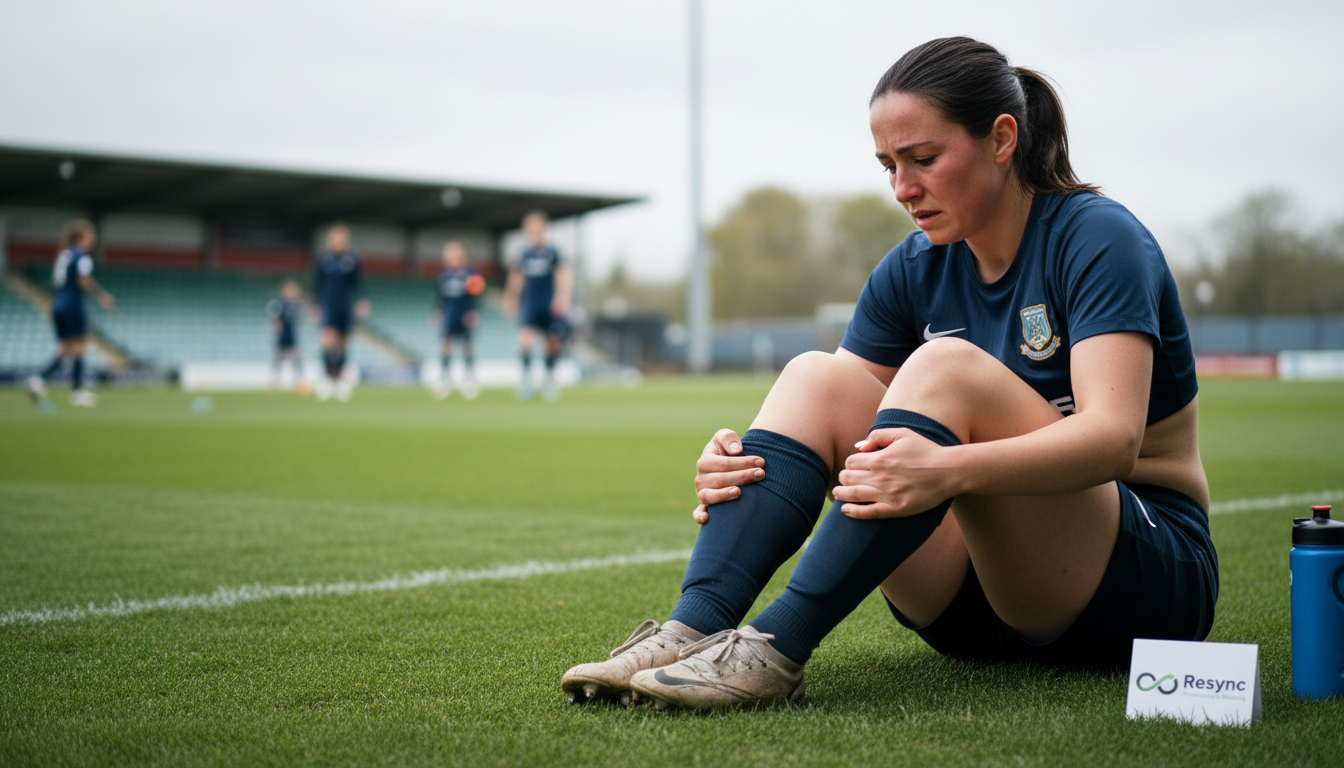
For any athlete, from the weekend warrior to the seasoned competitor, hearing the words "you've got an injury" is a moment of pure frustration. What often follows is the most common, yet frequently unhelpful, piece of advice: "just rest it." While a short period of rest has its place, relying on it as the sole solution is an outdated approach that can hinder, rather than help, your recovery. This isn't just about getting back in the game; it's about coming back stronger, more resilient, and with a deeper understanding of your body. It's time to move beyond passive waiting and embrace a proactive path to recovery.
The Problem with Passive Rest
When you stop moving a part of your body for an extended period, you're not just giving it a break—you're inadvertently creating new problems. Prolonged inactivity, or passive rest, can lead to a cascade of negative effects that make your return to sport much more difficult. Think of it as putting a high-performance engine in storage without proper maintenance. Key issues that arise include:
**Muscle Atrophy:** Unused muscles begin to weaken and shrink surprisingly quickly. This loss of strength not only affects the injured area but also the supporting muscles around it, creating imbalances that increase the risk of re-injury.
**Joint Stiffness:** Your joints need movement to stay lubricated and maintain their full range of motion. Without it, they can become stiff and painful, making it that much harder to get back to fluid, natural movement.
**Weak Scar Tissue:** When tissue heals, the body lays down collagen fibres. Without the guidance of controlled movement, these fibres can form in a haphazard, disorganized way, creating weak scar tissue that is prone to tearing when you eventually return to activity.

The Power of Active Recovery
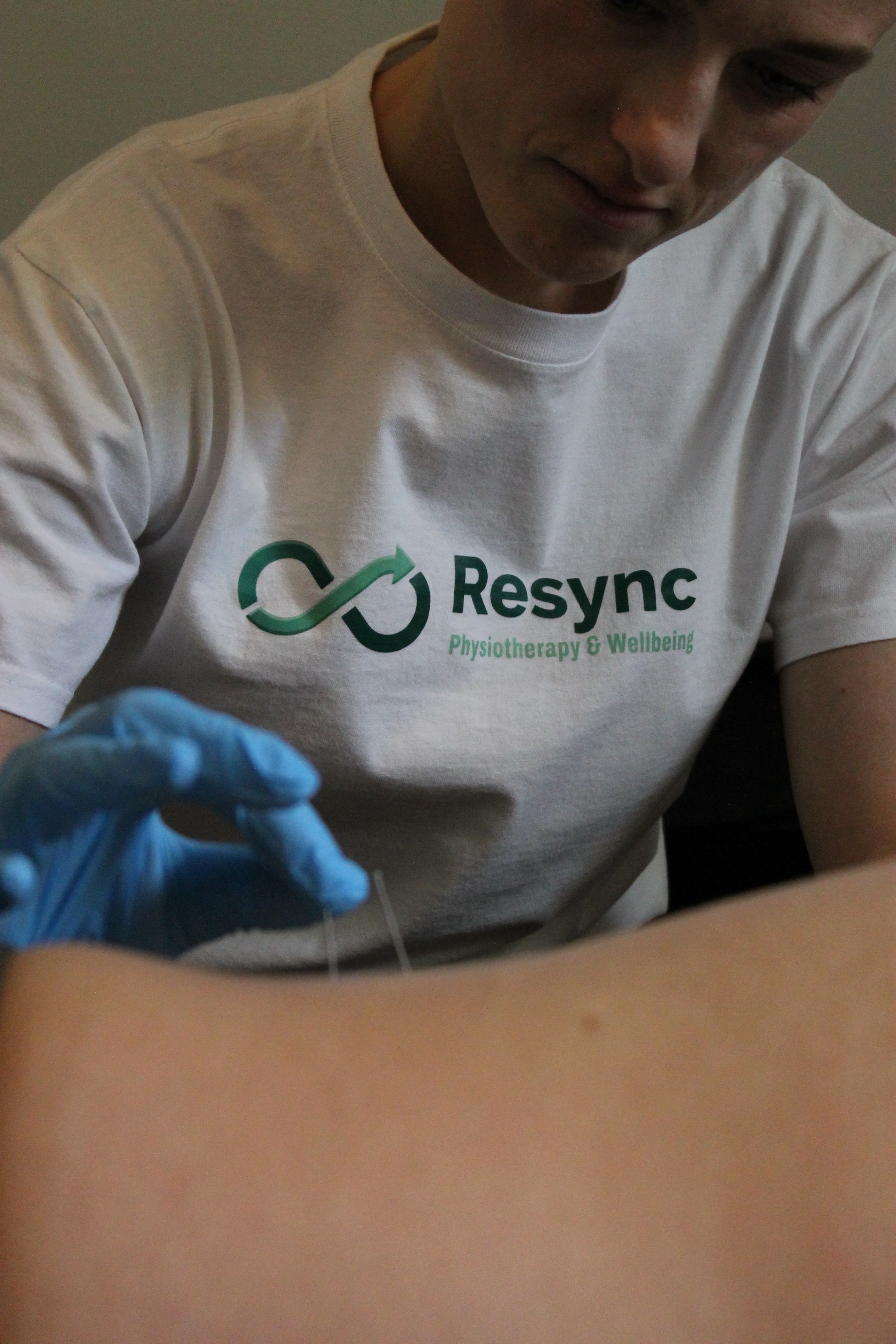
This is where modern physiotherapy shines. Instead of complete inactivity, an expert physiotherapist will guide you through active recovery. This involves a tailored programme of specific, controlled movements and exercises designed to promote optimal healing. Active recovery isn't about pushing through pain; it's about working with your body's natural healing processes. By introducing gentle, targeted stress to the injured area, we can stimulate blood flow, which delivers essential oxygen and nutrients for repair. This process also guides the formation of strong, organized scar tissue and helps maintain strength and mobility in the surrounding muscles and joints, ensuring you don't lose your baseline fitness while you recover.

Diagnosis is Everything
Perhaps the biggest flaw in the "just rest it" philosophy is that it completely ignores the most critical first step: an accurate diagnosis. Rest doesn't answer the fundamental questions. What specific tissue have you injured? How severe is the damage? What were the underlying biomechanical issues that led to the injury in the first place? Without a thorough assessment from a qualified professional, you are simply guessing. An expert diagnosis is the foundation of an effective treatment plan. It allows a physiotherapist to target the root cause of the problem, not just the symptoms, ensuring your rehabilitation is focused, efficient, and designed to prevent the injury from happening again.
Conclusion: Your Proactive Path to Peak Performance
Rest is a small component of recovery, not the entire solution. A proactive, evidence-based approach is the real key to a full and confident comeback from a sports injury. By moving beyond outdated advice, you can avoid the pitfalls of muscle loss and stiffness, promote stronger healing, and address the root cause of your injury. If you're an athlete in Balsall Common or Solihull who is tired of waiting and wondering, it's time to get a clear diagnosis and a personalised recovery plan. Let us help you move beyond 'just rest' and start your journey back to peak performance.