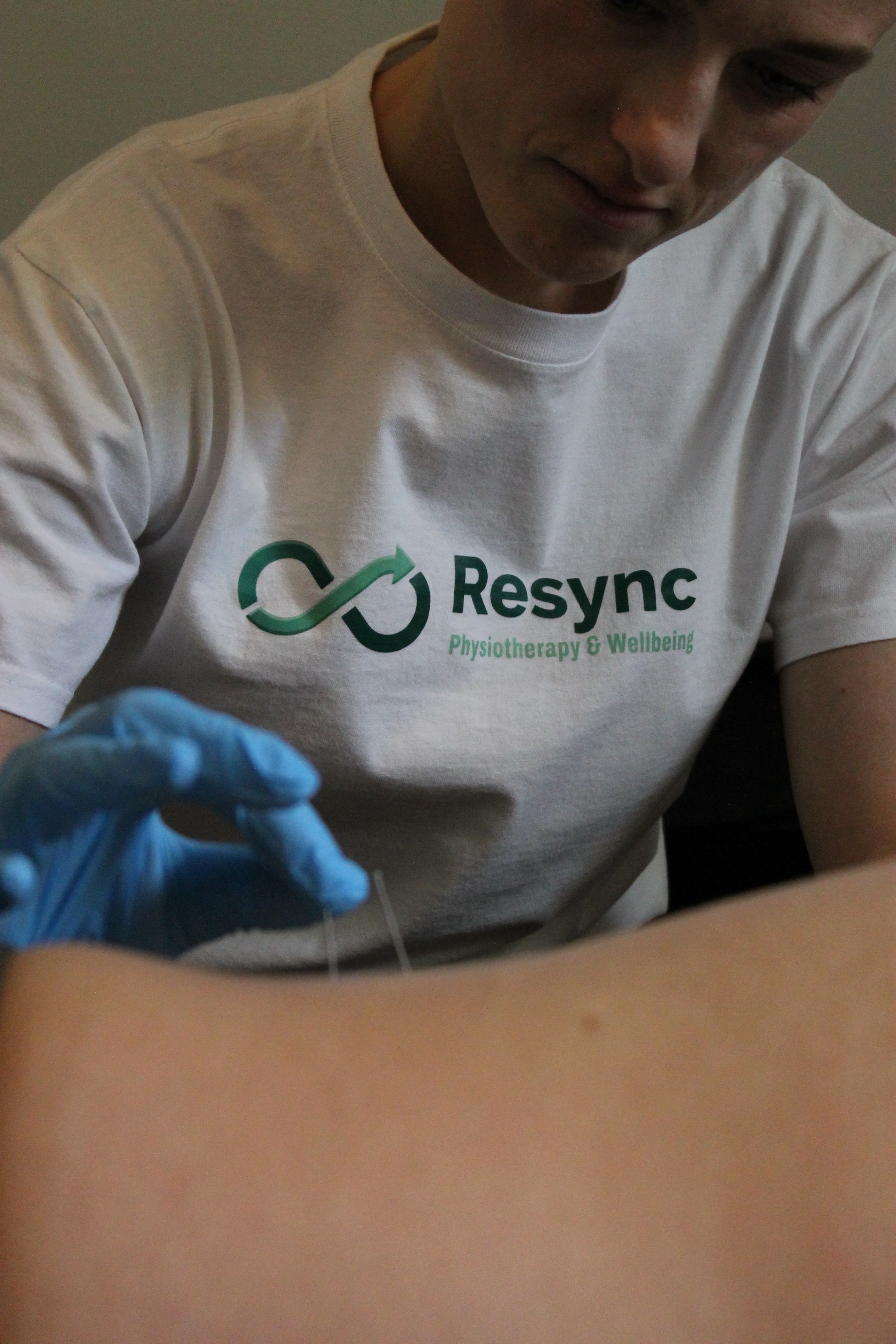
Being sidelined by a sports injury is one of the biggest frustrations an active person can face. The uncertainty, the pain, and the itch to get back in the game can make you feel stuck. But a successful comeback isn't about rushing; it's about following a smart, structured roadmap. A strategic, phased approach to recovery not only gets you back to your sport safely but also builds the strength and confidence to prevent future setbacks. This guide breaks down the essential four-phase journey from injury to peak performance.
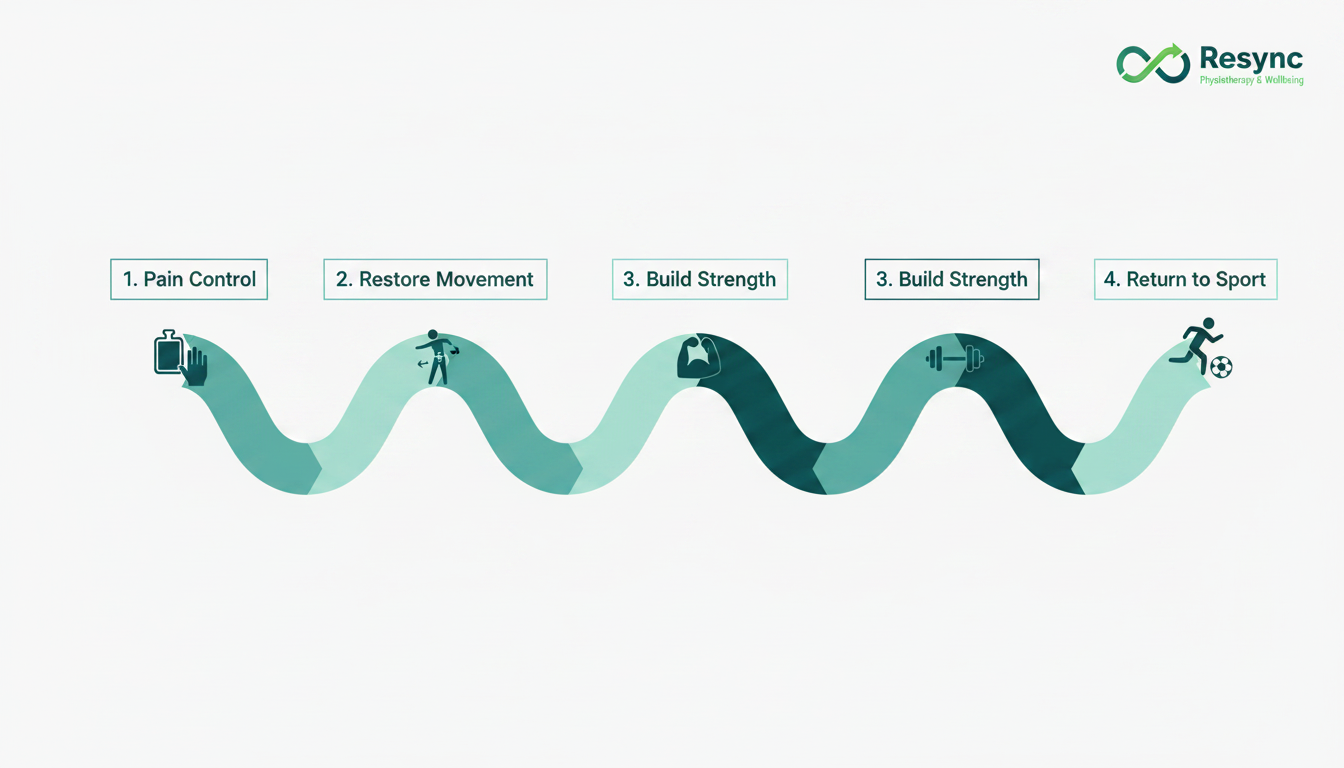
Phase 1: Pain & Inflammation Control
Immediately after an injury, your body’s first response is inflammation and pain. This is a natural part of the healing process, but it needs to be managed correctly to set the stage for a successful recovery. While initial rest is important, this phase is far from passive. The primary goal is to calm the injured area, reduce swelling, and alleviate pain to create an optimal environment for tissue repair. This is where expert intervention is crucial. A skilled physiotherapist can use hands-on techniques like soft tissue massage and joint mobilisations to manage symptoms effectively. They will also provide a precise diagnosis and guide you on the right balance of rest and gentle movement, ensuring you don't do too much too soon, or too little for too long.
Phase 2: Restoring Movement & Basic Strength
Once the initial pain and swelling have subsided, the next critical step is to gently reintroduce movement. After an injury, joints can become stiff and muscles can weaken or 'switch off'. This phase focuses on safely regaining your full, pain-free range of motion and re-activating the muscles surrounding the injured area. Your physiotherapist will prescribe specific, controlled exercises designed to restore flexibility and build a solid foundation of stability. This isn't about hitting the gym hard; it's about precise, foundational work. These targeted movements help retrain neuromuscular pathways, reminding your body how to move correctly and efficiently, which is essential for preventing compensatory patterns that can lead to other injuries down the line.
Phase 3: Building Performance-Focused Strength
With movement restored and a baseline of strength established, it's time to build resilience. This phase bridges the gap between basic rehabilitation and the high demands of your sport. The focus shifts to developing sport-specific strength, power, and endurance. The exercises become more dynamic and complex, challenging your body in ways that mimic the movements you'll perform on the field, court, or track. This could involve progressing from simple bodyweight squats to explosive plyometric jumps, or from light resistance band work to heavier, compound lifts. A carefully structured strength program at this stage is what makes the injured area not just healed, but stronger and more robust than it was before, significantly reducing the risk of re-injury when you return to play.
Phase 4: Sport-Specific Testing & Gradual Return
The final phase is the most exciting, but it requires patience and discipline. Feeling strong in the clinic is one thing; being ready for the unpredictable nature of competition is another. Before a full return, the injured area must be tested with drills that replicate the specific demands of your sport—think cutting, pivoting, sprinting, and landing. A physiotherapist will guide you through a series of performance tests to ensure your body can handle the load safely. From there, the return is gradual. You'll start with controlled, sport-specific training, slowly increasing the intensity, duration, and complexity. This methodical re-integration ensures your body has time to adapt, building your confidence with every session and ensuring that when you do make your full comeback, you're not just back, but you're back at your best.

Your Comeback Story Starts Here
A successful comeback from a sports injury is not about speed; it's about strategy. Following a structured, evidence-based plan is the surest way to return to the activities you love without pain or fear of re-injury. If you're an athlete in Balsall Common or Solihull feeling stuck in your recovery, don't leave your progress to chance. Our expert physiotherapists are here to build your personalised roadmap to recovery, guiding you from pain and frustration back to peak performance.
Ready to start your comeback story? Take the first, most important step today. Book your initial assessment with Resync Physiotherapy and let's get you back in the game, stronger and more resilient than ever.