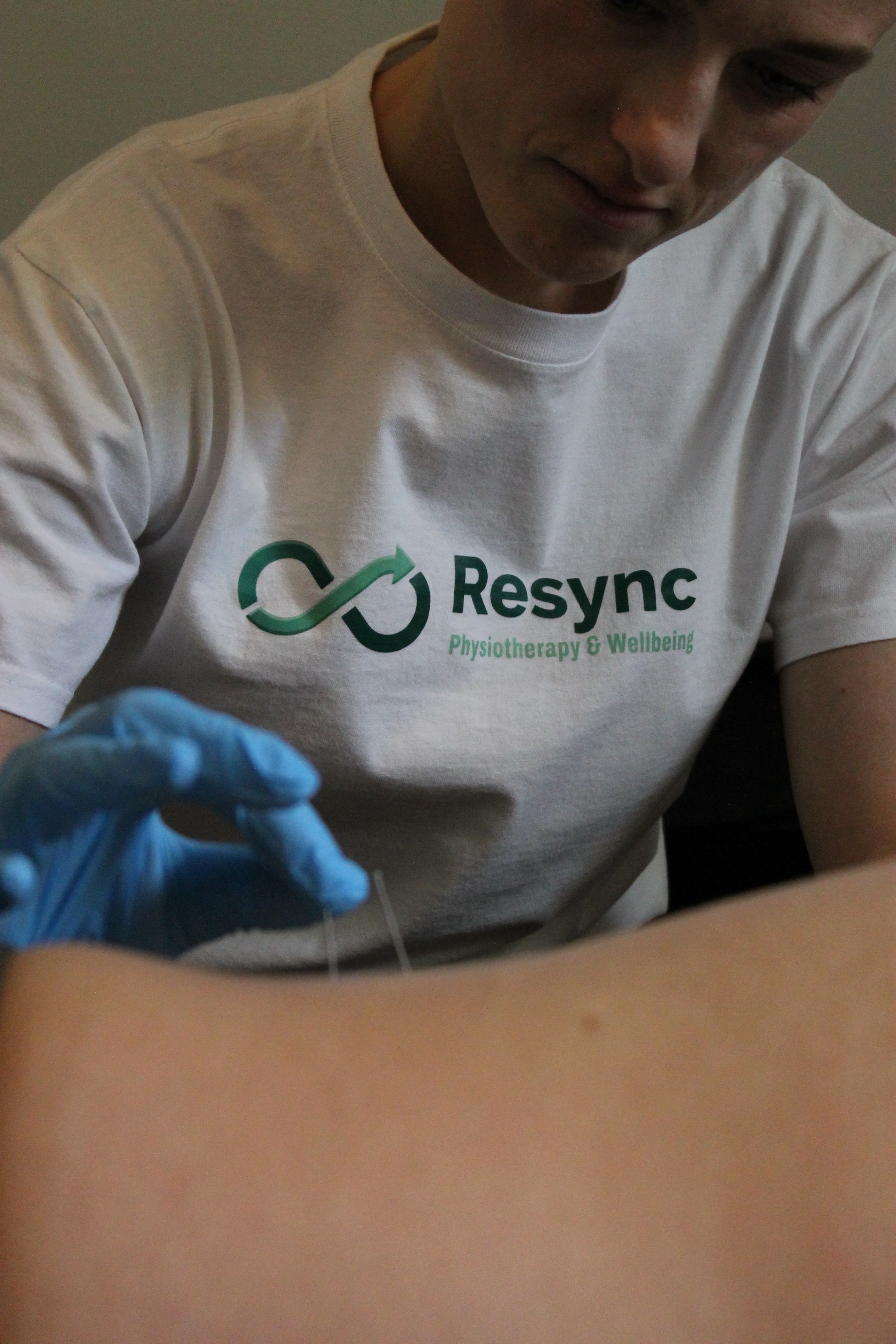
Every athlete, from the weekend warrior to the seasoned competitor, knows the feeling. A sudden twinge, a dull ache that wasn't there yesterday, or a moment of impact that leaves you wondering: Is this serious? It’s the classic dilemma—do you rest it and hope it goes away, or is it time to seek professional help? Pushing through pain can sometimes turn a minor issue into a major setback, while ignoring your body's warning signs can delay recovery and keep you on the sidelines for longer. Knowing when to see a physiotherapist is key to a fast, safe, and effective comeback.

Sign 1: The Pain Lingers or Gets Worse with Activity
Initial soreness after a tough workout is normal, but pain that sticks around for more than a few days is a red flag. If an ache or sharp pain either fails to improve with rest or, more importantly, intensifies when you try to run, jump, or play, your body is sending a clear signal. This kind of persistent pain suggests an underlying issue—like inflammation, a strain, or a sprain—that isn't resolving on its own. A physiotherapist can accurately diagnose the source of the pain, providing a clear path to recovery rather than leaving you in a cycle of rest and re-aggravation.
Sign 2: You've Lost Movement or Strength
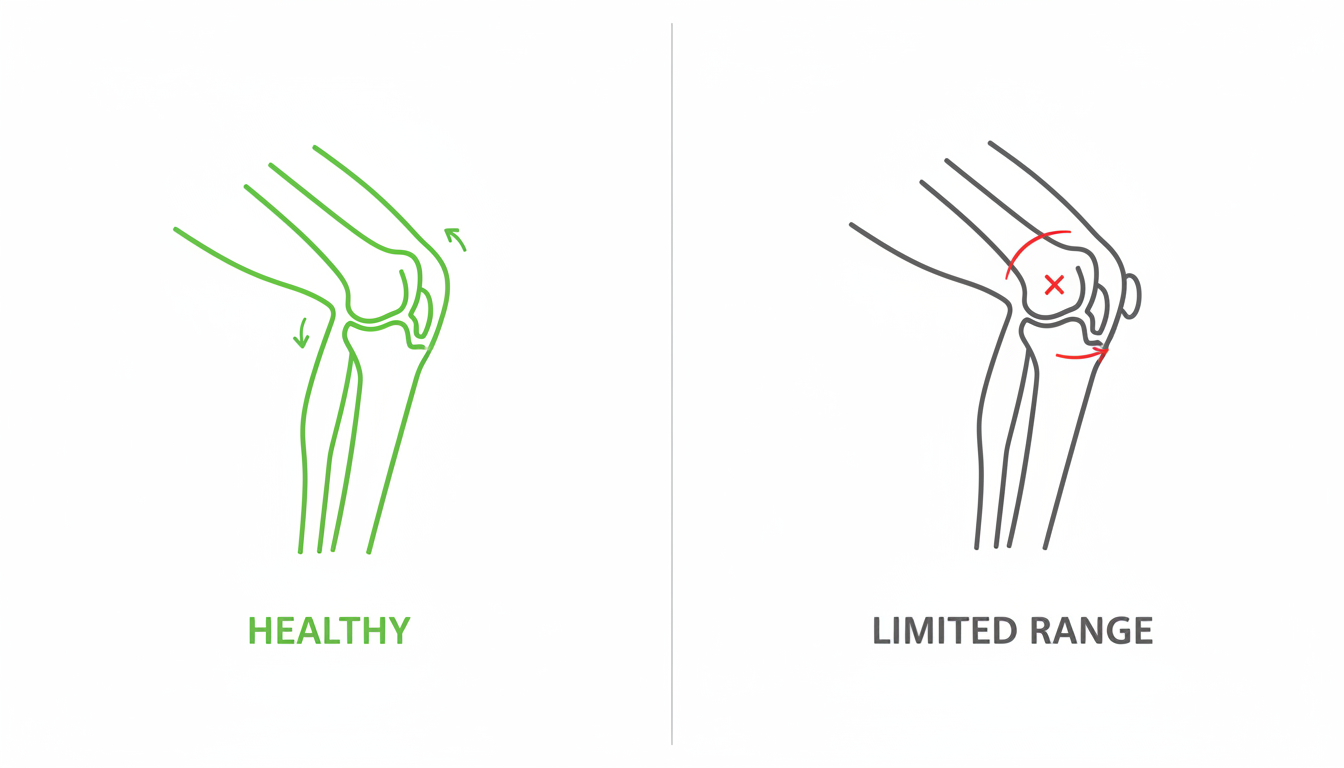
Can you no longer lift your arm as high as you used to? Does your knee feel stiff and refuse to bend or straighten completely? A noticeable decrease in your range of motion is a significant sign that something is wrong. Similarly, if you feel a sudden weakness in a specific muscle—for example, you can't push off with the same power or your grip feels weaker—it points to a potential injury that is inhibiting muscle function. This loss of movement or strength isn't just a temporary inconvenience; it's a direct indicator that your body needs an expert assessment to restore function and prevent long-term limitations.
Sign 3: You're Changing How You Move to Avoid Pain
Have you started limping to take the pressure off your ankle? Or perhaps you've altered your tennis serve to avoid that pinch in your shoulder? These are called compensatory movements. While your body is cleverly finding a way to get the job done without pain, this strategy can cause a cascade of new problems. By overworking other muscles and putting stress on different joints, you risk creating a new injury on top of the original one. A physiotherapist can identify these compensation patterns and address the root cause, helping you return to moving correctly, efficiently, and pain-free.
Sign 4: You've Had the Same Injury Before
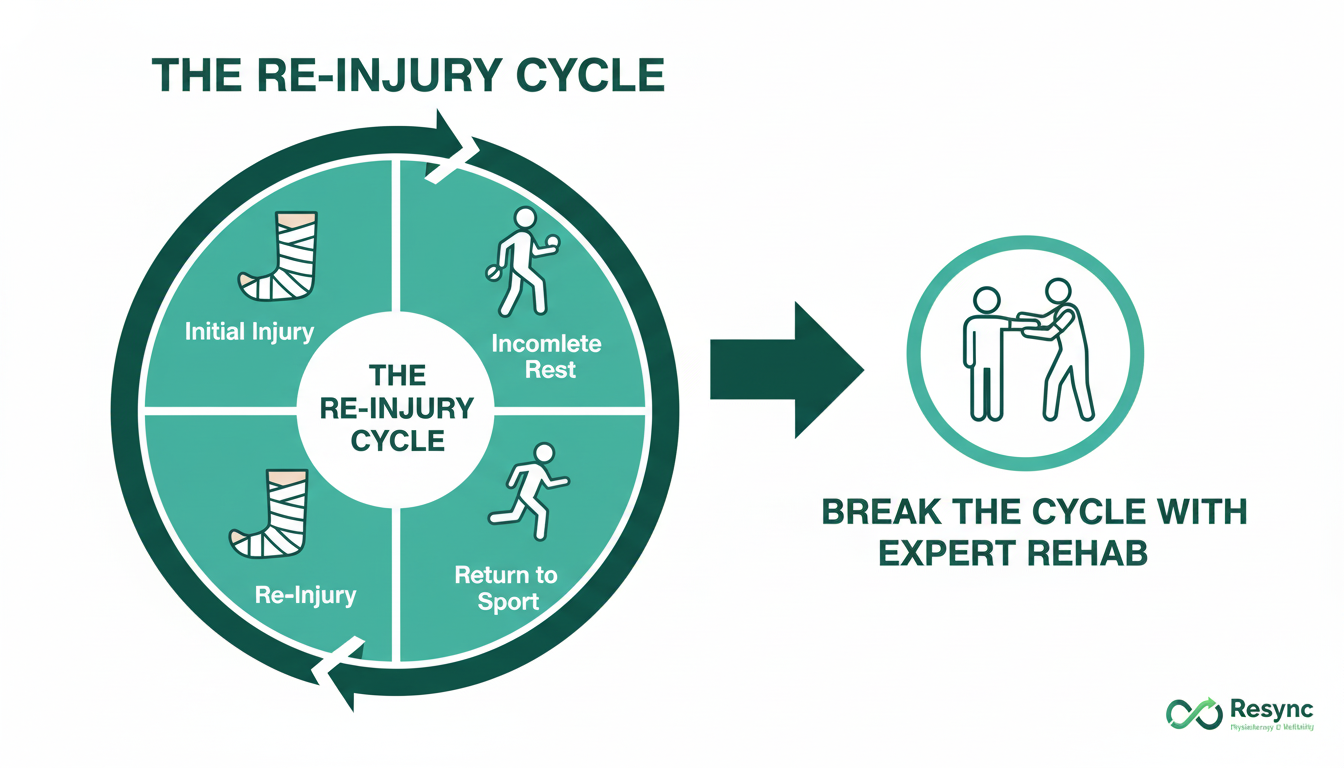
A recurring injury is one of the most frustrating experiences for any active person. If that same hamstring strain, ankle sprain, or lower back pain keeps coming back, it’s a strong sign that the original problem was never fully resolved. Chronic injuries often stem from an underlying weakness, imbalance, or biomechanical issue that wasn't addressed during the initial recovery. A physiotherapist won't just treat the current symptoms; they will conduct a comprehensive assessment to uncover this root cause. By strengthening the right areas and correcting movement patterns, they can help you finally break the cycle of re-injury.
Ignoring these signs can prolong your time away from the activities you love. An early and accurate diagnosis is the fastest way back to full strength and peak performance. If any of these points sound familiar, it’s time to stop wondering and start healing. Our expert team at Resync Physiotherapy in Balsall Common is here to provide a clear diagnosis and a personalised, evidence-based treatment plan to get you back in the game, stronger and more resilient than before. Don't let a 'tweak' become a long-term problem. Book your Initial Assessment today and take the first confident step on your road to recovery.