Being sidelined by a sports injury is one of the most frustrating experiences for any active person. The pain, the uncertainty, and the inability to do what you love can be mentally and physically draining. But what if you viewed this recovery period not as a setback, but as a structured, empowering journey? Every great athlete has a comeback story, and understanding the process is the first step in writing your own. This isn't about just waiting for the pain to go away; it's about a strategic, phased approach to recovering, rebuilding, and returning to your sport stronger and more resilient than before.
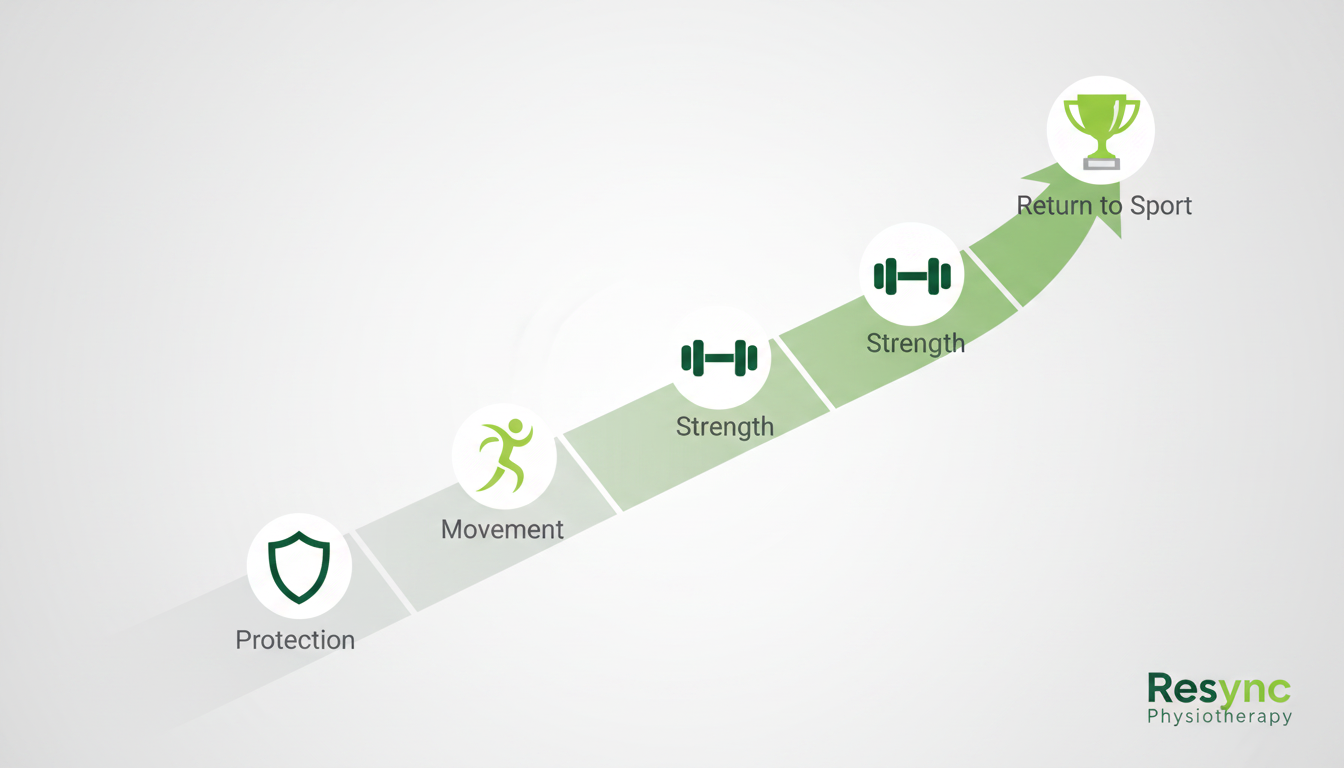
Phase 1: The Protection & Pain Control Phase
Immediately after an injury, your body's first response is inflammation. The primary goal of this initial phase is to calm everything down and create the ideal environment for healing. This is about relative rest, not complete inactivity. We need to protect the injured tissue from further stress while managing pain and swelling. You might be familiar with the RICE (Rest, Ice, Compression, Elevation) protocol, which can be effective in the first 24-48 hours. However, expert guidance is crucial here to determine how much to offload the area without causing other muscles to weaken. The key is to reduce threatening signals to the brain so your body can begin the natural repair process without being in a constant state of alarm. This phase sets the foundation for everything that follows.
Phase 2: The Restoration of Movement Phase
Once the initial pain and swelling have subsided, the temptation can be to jump right back into strengthening. However, a critical intermediate step is to restore your full, pain-free range of motion. If you don't, your body will learn to compensate, leading to faulty movement patterns that can cause re-injury down the line. This phase involves gentle, targeted exercises and mobility drills designed to encourage the injured joint and surrounding tissues to move through their entire natural range. We focus on re-establishing the correct neuromuscular pathways—reminding your brain and muscles how to work together smoothly and efficiently. It’s a delicate process of progressively reintroducing movement without overloading the healing structures.

Phase 3: The Strength & Conditioning Phase
With pain under control and movement restored, it's time to rebuild. The goal of this phase isn't just to get back to your previous strength, but to exceed it. This is how we build resilience and prevent future injuries. We introduce a programme of progressive overload, gradually increasing the demand on the injured tissues to stimulate adaptation and make them stronger. This doesn't just involve isolating the injured muscle; we look at the entire kinetic chain. For example, a hamstring strain recovery plan will also involve strengthening the glutes, core, and lower back to ensure the entire system is robust. This phase integrates strength, control, and endurance training, transforming the vulnerable area into a powerhouse that can handle the demands of your sport.

Phase 4: The Return-to-Sport Phase
Being strong in a controlled gym environment is one thing; being ready for the chaotic, unpredictable nature of your sport is another. This final, crucial phase bridges that gap. Here, we shift from general strength to sport-specific movements. This could include sprinting, cutting, jumping, and agility drills that mimic the exact demands you'll face on the field, court, or track. A huge component of this phase is psychological—rebuilding the confidence to move at full speed without hesitation or fear of re-injury. We systematically test the injured area under increasing levels of sporting stress to ensure it's 100% ready. Rushing this stage is a common mistake; completing it successfully is the difference between a short-term return and a long-term, successful comeback.
Conclusion: Your Comeback is a Journey
Navigating a sports injury can feel like a long, lonely road, but it doesn't have to be. By breaking the recovery down into these four distinct phases, you can see a clear path from the sideline back to the starting line. Each phase builds on the last, ensuring you return to your activities not just healed, but stronger, smarter, and more confident than before. It’s a journey, not a sprint, and having an expert guide to tailor each phase to your specific injury, goals, and sport is invaluable. If you're tired of the frustration and uncertainty, let's work together to write your comeback story. We can provide the personalised, evidence-based plan you need to recover, move, and perform at your best. To start your journey back to peak performance, book your initial assessment with us today.