If you're an active person, there's nothing more frustrating than being sidelined by a sports injury. You've followed the classic advice—rest, ice, and wait. But days turn into weeks, and that nagging hamstring strain, runner's knee, or shoulder pain is still there, holding you back from the activities you love. You feel stuck in a cycle of rest and re-injury, wondering if you'll ever get back to your peak performance. This feeling is common, but it's not your final destination. The truth is, for many sports injuries, passive rest is only a small part of the story.
The 'Rest' Myth
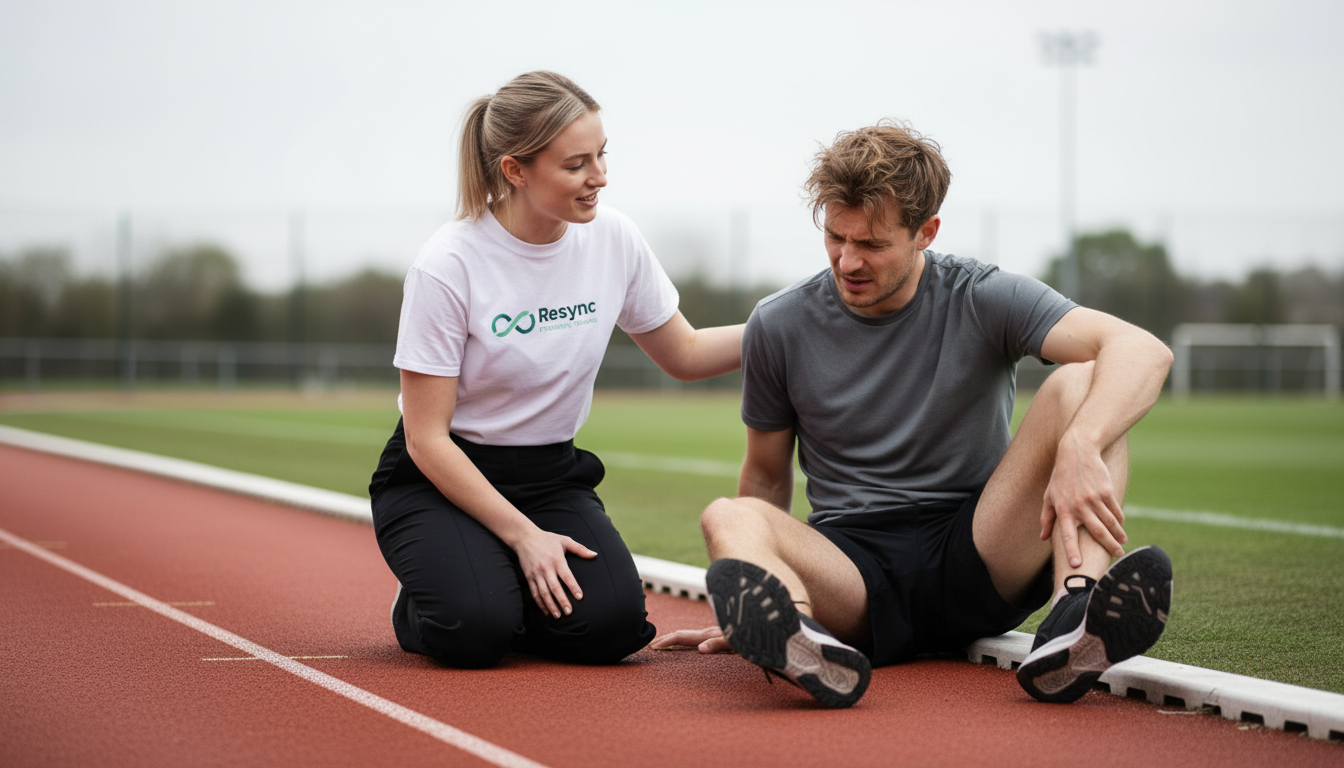
While a short period of rest is crucial immediately following an injury to allow initial inflammation to subside, relying on it entirely is often a mistake. For athletes and active individuals, prolonged inactivity can be counterproductive. When you completely stop moving, your muscles begin to weaken and shorten, and your joints can lose their range of motion. This process, known as deconditioning, means that when you do try to return to your sport, the injured area and its supporting structures are weaker and less prepared for the load, making re-injury highly likely. Active recovery is about finding the right balance—resting the injured tissue while safely maintaining strength and mobility in the rest of your body.
The Importance of Accurate Diagnosis
One of the biggest barriers to healing is not understanding the true source of the problem. You might feel pain in your Achilles tendon, but the root cause could be poor calf muscle activation or even an issue with your lower back mechanics. Simply resting the painful spot won't fix the underlying dysfunction. This is where a professional assessment becomes invaluable. An expert physiotherapist doesn't just treat the symptom; they conduct a thorough evaluation to identify the specific structures involved and, more importantly, why the injury occurred in the first place. This clear, evidence-based diagnosis is the foundation for a treatment plan that delivers lasting results.
The 3 Pillars of Active Recovery
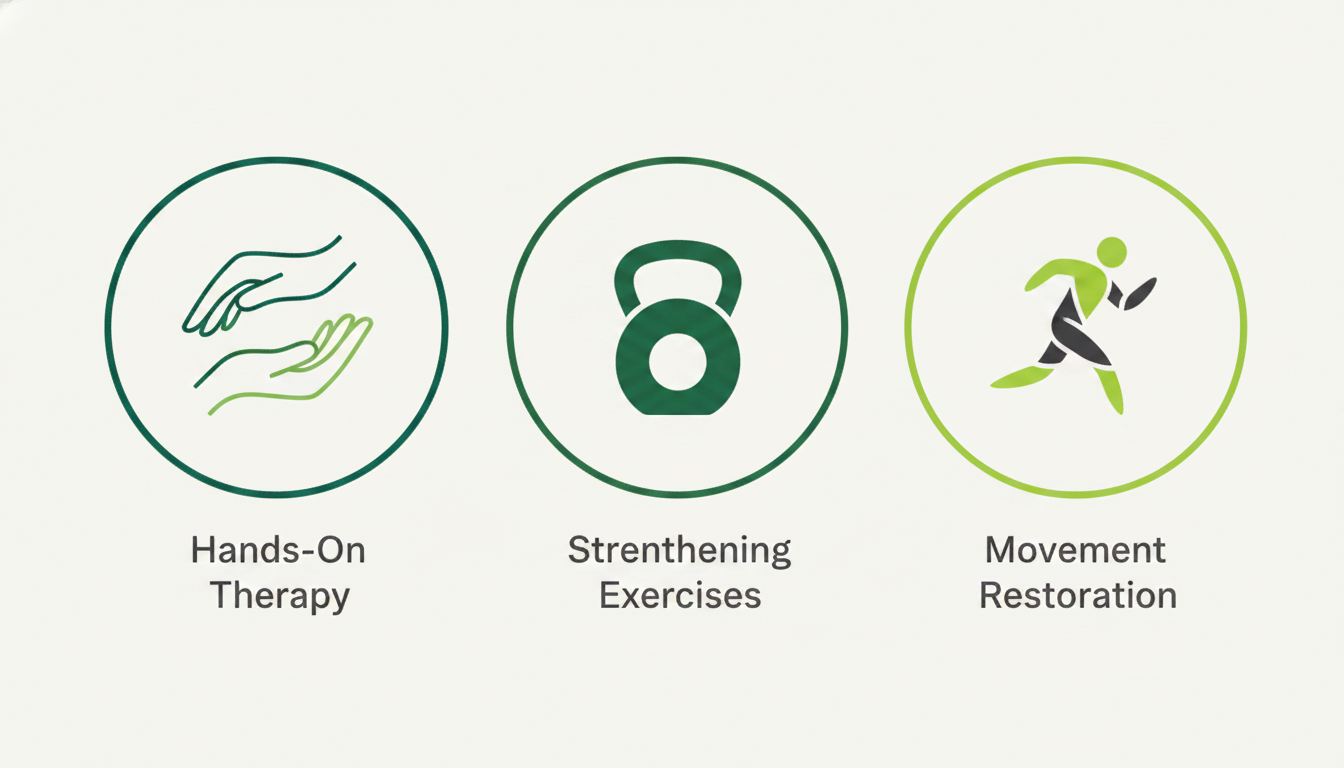
An effective recovery plan moves beyond rest and actively rebuilds your body's capacity. This approach is built on three core pillars that work together to heal the injury, restore function, and prevent it from coming back.
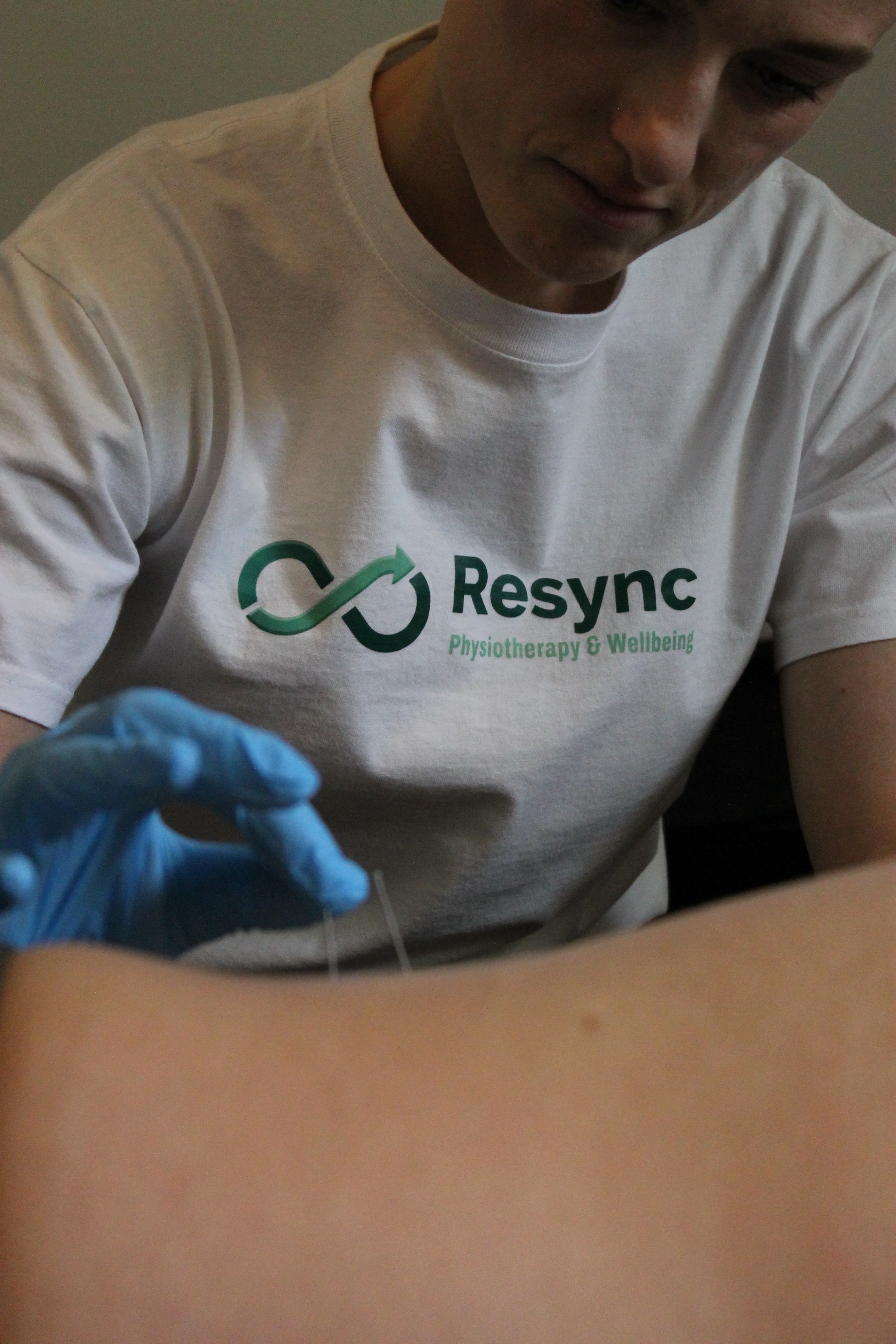
- **Targeted Hands-On Therapy:** This is where an expert makes a direct impact. Techniques like sports massage, joint mobilisation, and soft tissue release can immediately reduce pain, decrease tightness, improve blood flow, and restore normal movement to the injured area. This targeted treatment creates a window of opportunity to begin rebuilding strength effectively.
- **Specific Strengthening Exercises:** This isn't about generic gym workouts. A personalised recovery plan includes exercises prescribed specifically to target the weakened muscles around your injury. By progressively overloading these tissues in a controlled way, you can rebuild their strength and capacity to handle the demands of your sport, ensuring they are robust and resilient.
- **Guided Movement Restoration:** Injury often forces us into compensatory movement patterns that can persist even after the pain subsides. Guided movement restoration focuses on retraining your body to move correctly and efficiently. A physiotherapist will guide you through sport-specific drills and exercises to ensure your biomechanics are optimal, reducing the strain on vulnerable areas and enhancing your overall performance.
Building Long-Term Resilience
The ultimate goal of physiotherapy isn't just to get you pain-free; it's to make you a stronger, more resilient athlete. A truly personalised rehabilitation plan considers your specific sport, your lifestyle, and your future performance goals. By addressing the root cause of the injury and systematically rebuilding your strength and movement patterns, you don't just return to your previous level—you build a stronger foundation. This comprehensive approach empowers you with the knowledge and physical capacity to manage your body effectively, significantly reducing the risk of future injuries and giving you the confidence to perform at your best.
Stop the Cycle of Frustration
If you're caught in the 'rest and see' loop with a sports injury, it's time to change the strategy. Healing isn't passive; it's an active process that requires expert guidance, a precise diagnosis, and a plan tailored to you. By embracing a proactive, physiotherapy-led approach, you can finally overcome persistent pain, restore confident movement, and build the long-term strength needed to return to the activities you love.
Are you ready to stop waiting and start healing? An expert assessment is the first step towards understanding your injury and creating a clear path back to your sport. Let us help you build a plan to recover, move, and perform at your best. Book your initial assessment with our specialists today and begin your comeback story.