Introduction: The Rush to Return Can Slow You Down
Every athlete knows the feeling: the frustration, the impatience, and the overwhelming desire to get back in the game. When an injury forces you onto the sidelines, the mental clock starts ticking immediately. This urgency to return to your sport is completely understandable, but paradoxically, it can lead you to make critical mistakes that not only prolong your recovery but also set you up for future setbacks. A smart, strategic comeback is always faster than a rushed one. Understanding the common pitfalls is the first step to ensuring your return to peak performance is both swift and sustainable.

Mistake 1: Returning to Your Sport Too Soon
This is perhaps the most common trap athletes fall into. You have a few good days, the sharp pain subsides into a dull ache, and you think, 'I feel fine, I'm ready to go.' However, the absence of pain does not equal the presence of strength. Tissues like muscles, tendons, and ligaments heal in stages. Even after the initial pain signals have quieted down, the tissue is still remodeling and has not regained its original resilience. Pushing it back to full intensity too early is a recipe for disaster. You risk turning a minor strain into a significant tear, creating a cycle of re-injury that becomes increasingly difficult to break. True readiness is about restoring function and strength, not just being pain-free.
Mistake 2: Relying Only on Rest
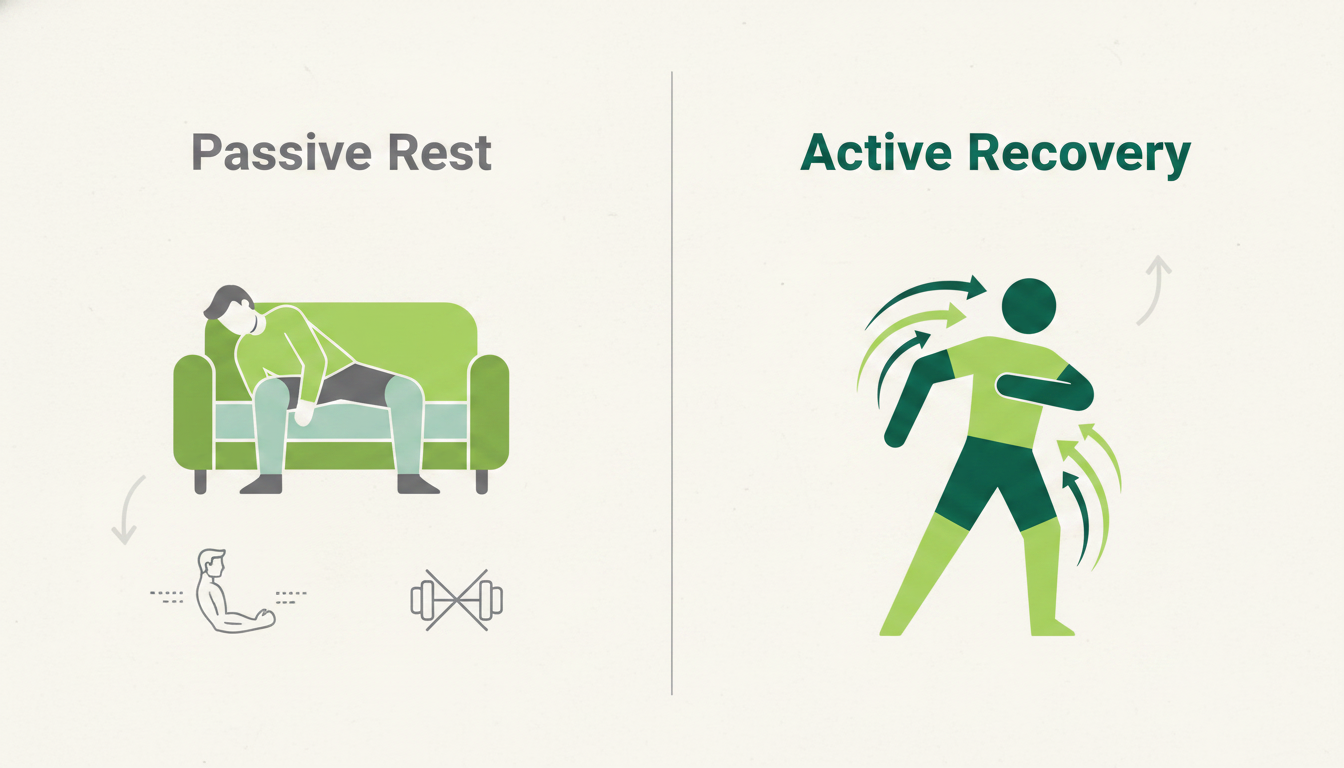
While rest is a crucial component of the initial healing phase, relying on it exclusively is a flawed strategy. This is the difference between passive rest and active recovery. Complete inactivity can lead to muscle atrophy (loss of muscle mass), joint stiffness, and a general deconditioning of your entire body. When you eventually return to your sport, these weakened areas are highly susceptible to new injuries. A physiotherapist guides you through active recovery, which involves specific, gentle movements and exercises. This approach promotes blood flow to the injured area, helps healing tissues align correctly, and maintains strength in surrounding muscles, all without overloading the injury itself.
Mistake 3: Ignoring the Root Cause
Think of your pain as the smoke alarm, not the fire. The injury you're feeling is often just a symptom of a deeper, underlying issue. It could be a subtle muscle imbalance, poor biomechanics in your running gait, a lack of core stability, or an issue with mobility in a completely different part of your body. If you only treat the painful area without addressing the root cause, the 'fire' will continue to smoulder, and the alarm will inevitably go off again. An expert physiotherapist acts as a detective, performing a comprehensive assessment to identify and correct these foundational problems, ensuring your recovery is permanent, not just temporary.
Mistake 4: Following Generic Advice from the Internet
A quick search for 'hamstring strain recovery' will yield thousands of articles and videos, each offering a seemingly definitive plan. The danger here is that one-size-fits-all advice does not work for individual injuries. Your body is unique, your injury has its own specific characteristics, and the demands of your sport are distinct. Following a generic plan from the internet can be ineffective at best and harmful at worst. You might be doing exercises that are too aggressive, or you might be neglecting the specific movements you actually need. A personalised rehabilitation programme, designed by a professional after a thorough assessment, is the only way to ensure your recovery is tailored precisely to your needs and goals.
Mistake 5: Neglecting the Mental Game
The physical toll of an injury is obvious, but the mental impact is just as significant and often overlooked. After being sidelined, it's natural to feel a fear of re-injury. This fear can cause you to hesitate, alter your natural movement patterns, and play with a tentativeness that not only hinders performance but can also lead to new injuries as you overcompensate. A well-structured rehabilitation plan is as much about rebuilding mental confidence as it is about rebuilding physical strength. By progressing through controlled, challenging, and successful stages of recovery, you systematically prove to your brain that your body is resilient and ready. This process helps replace fear with confidence, allowing you to return to your sport and perform at your best, both physically and mentally.
Your Smartest Comeback Starts Here
Recovering from a sports injury isn't about rushing back; it's about coming back stronger, smarter, and more resilient than before. Avoiding these common mistakes is crucial for a fast and lasting recovery. Instead of guesswork and frustration, a clear, evidence-based plan tailored to you is the most effective path to regaining your peak performance. If you're tired of the cycle of injury and ready to build your personalised comeback plan, we're here to help you get back to the sport you love with confidence. Let's start with a comprehensive assessment to understand your unique needs and set you on the right track.