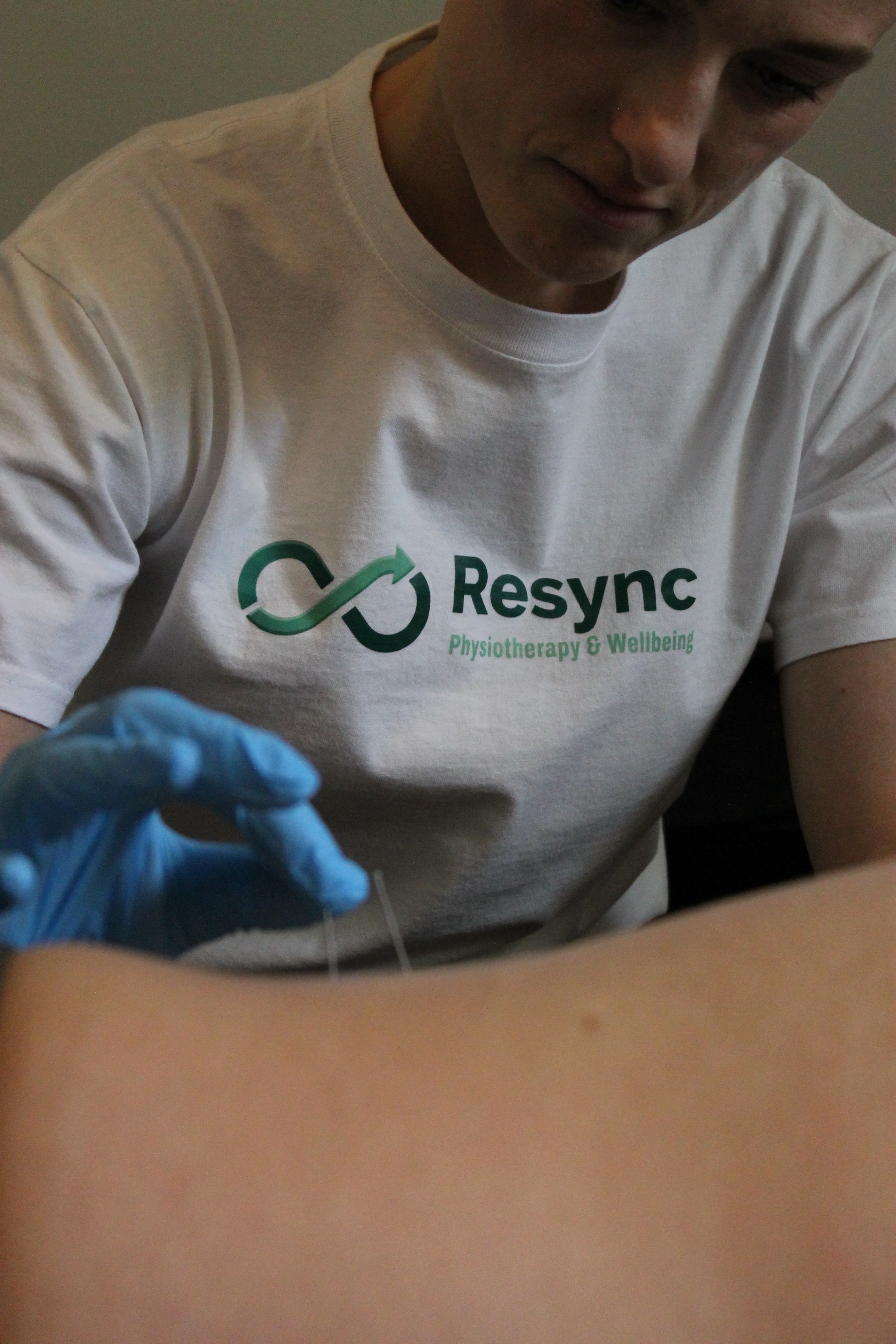
The moment an injury happens, the clock starts ticking in every athlete's mind. The primary question isn't just "How bad is it?" but "When can I get back to playing?" This drive to return to the sport you love is powerful, but it can also be your biggest enemy during recovery. Pushing too hard, too soon, or cutting corners can turn a temporary setback into a chronic problem. Understanding the common pitfalls is the first step towards a smart, successful, and lasting comeback. Let's explore the five most common mistakes athletes make and how you can avoid them to ensure you recover stronger than before.
Mistake 1: Returning Too Soon
One of the most frequent errors is rushing back into action before your body has fully healed. You might feel a bit better, and the temptation to test the waters is strong, but pain is a signal you shouldn't ignore. Pushing through discomfort or masking it with painkillers doesn't accelerate healing; it disrupts it. Tissues like muscles, ligaments, and tendons need adequate time to repair and remodel. Returning prematurely dramatically increases the risk of re-injury, often more severely than the original one, and can lead to chronic pain, instability, and long-term performance issues. The key is to listen to your body and the guidance of a physiotherapy expert, not just your competitive spirit.

Mistake 2: Only Focusing on the Injured Area
When your hamstring hurts, it's natural to direct all your attention there. However, the body works as an interconnected system, often called a kinetic chain. An injury in one area is frequently a symptom of an imbalance or weakness somewhere else. For example, a recurring calf strain might be linked to weak glutes or poor core stability, which alters your running mechanics and overloads the calf. A truly effective rehabilitation plan takes a whole-body approach. It involves not only treating the site of the pain but also identifying and correcting these underlying biomechanical faults to prevent the problem from simply returning once you're back in the game.
Mistake 3: Skipping the Strength Work
Rest is a vital component of initial recovery, but it's only half the battle. A common misconception is that once the pain subsides, you're good to go. However, the period of rest and immobility leads to muscle atrophy (weakening) and a loss of stability around the injured joint or muscle. Without a targeted strengthening program, the area remains vulnerable and unprepared for the demands of your sport. This is a primary reason for re-injury. A physiotherapist will prescribe specific, progressive exercises designed to rebuild strength, endurance, and control, ensuring the tissues can handle the load and force required for peak performance.
Mistake 4: Not Having a Clear, Progressive Plan
Recovering without a plan is like navigating without a map. Simply "seeing how it feels" each day can lead to doing too much too soon or not progressing at all. A successful comeback is built on a structured, phased rehabilitation program designed by a professional. This plan should have clear stages and milestones, starting with managing pain and inflammation, then moving to restoring range of motion, rebuilding strength and motor control, and finally, a gradual, sport-specific return to play. Each phase builds on the last, ensuring your body is methodically and safely prepared for the next level of intensity.
Mistake 5: Underestimating the Mental Game
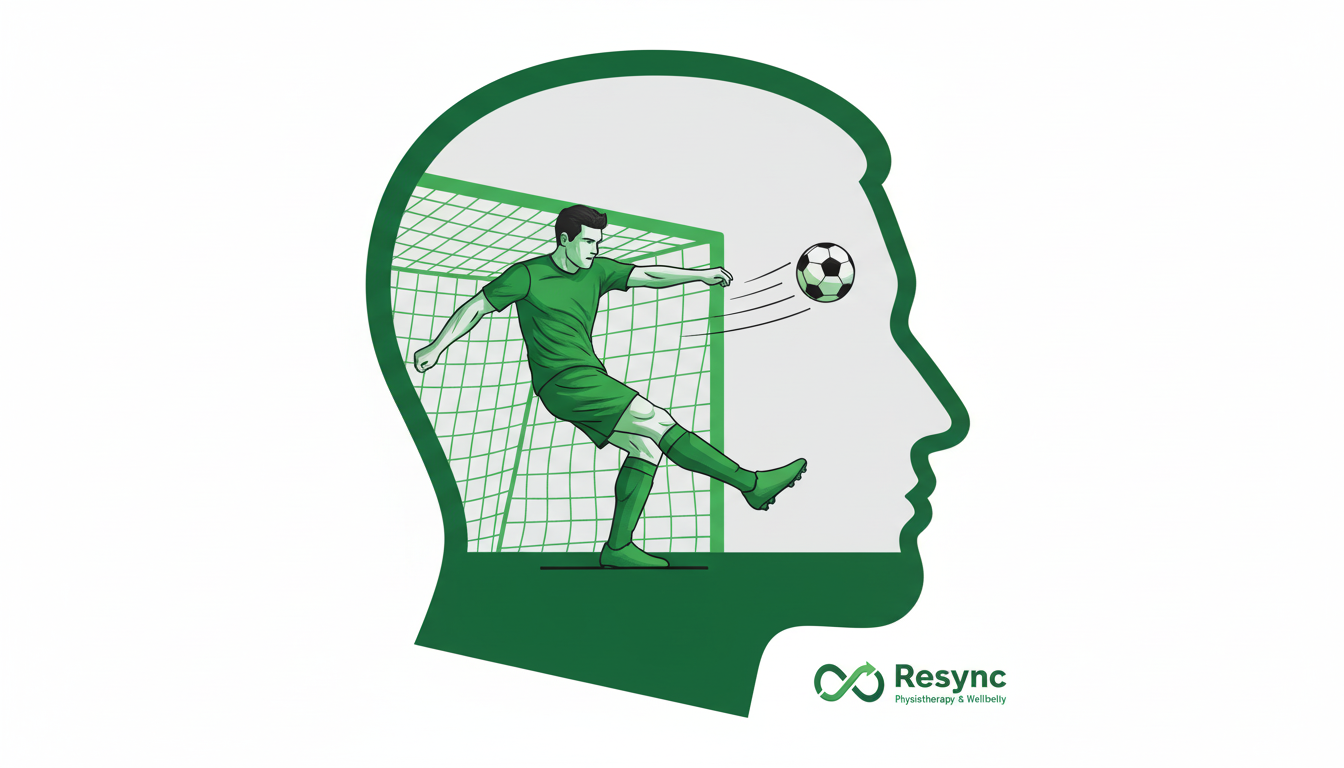
An injury isn't just a physical event; it's a psychological one, too. It's common for athletes to experience a loss of confidence in their body's ability to perform. You might find yourself hesitating before a jump, slowing down before a turn, or constantly worrying about the slightest twinge. This fear of re-injury can significantly hamper your performance and enjoyment of the sport. A comprehensive recovery plan should also address this mental aspect. Rebuilding trust in your body happens gradually by successfully completing progressive rehab exercises and achieving milestones. This process helps rewire your brain to believe in your body's strength and resilience once again.
Your Smartest Comeback Starts Here
Recovering from a sports injury is a journey that demands patience, diligence, and the right strategy. Avoiding these common mistakes can be the difference between a swift, successful return to your peak performance and a frustrating cycle of recurring setbacks. A successful comeback isn't about rushing back; it's about returning with the strength and confidence to play without fear. If you're tired of being on the sidelines and want a clear, evidence-based plan to get you back in the game, we can help. Let our expert team create a personalised rehabilitation program that addresses your unique injury, corrects underlying issues, and builds the long-term strength you need to perform at your best. Book your initial assessment with Resync Physiotherapy today and let's start writing your comeback story.